

Seaweeds + Kelps
Seaweed extract for plants helps roots push faster and keeps crops steady through heat, drought and transplant stress. Pick liquid kelp for tents and hand watering, soluble seaweed powder for batch tanks, or a fish-and-kelp blend for living soil.
-
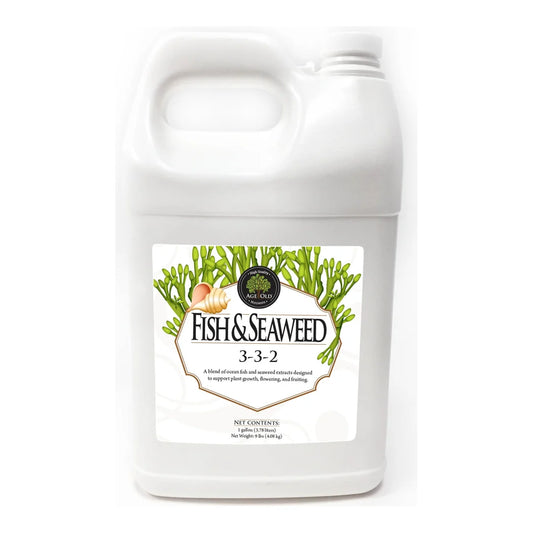
Age Old Nutrients - Fish and Seaweed 3-3-2
Vendor:Age Old NutrientsRegular price From $14.26 USDRegular priceUnit price per -
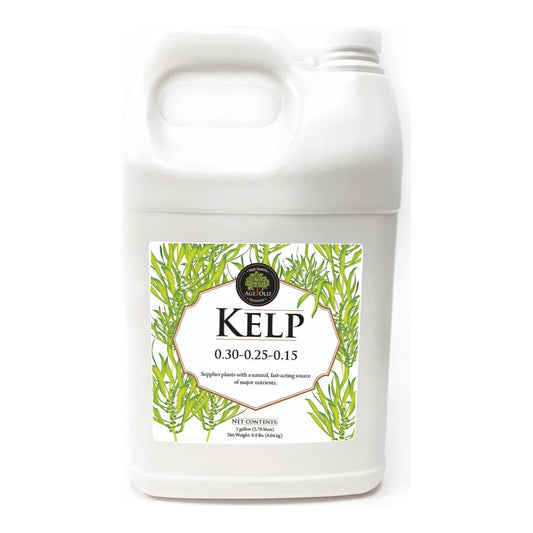
Age Old Nutrients - Kelp 0.30-0.25-0.15
Vendor:Age Old NutrientsRegular price From $17.47 USDRegular priceUnit price per -
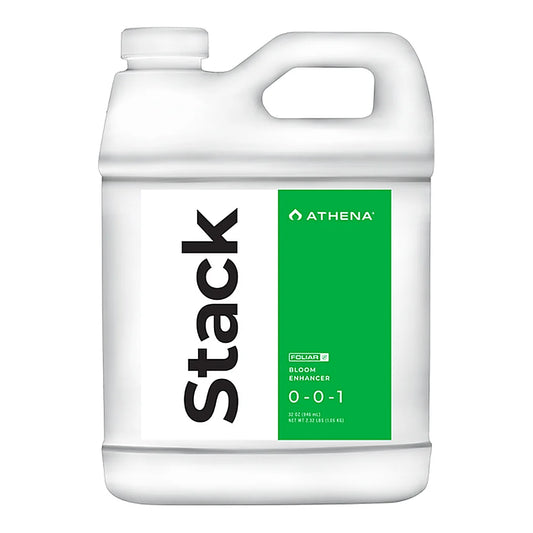
Athena Blended - Stack (0-0-1)
Vendor:AthenaRegular price From $62.86 USDRegular priceUnit price per$70.00 USDSale price From $62.86 USDSale -
Botanicare Liquid Karma 0.1-0.1-0.5 | Kelp Growth Enhancer, 1 to 15 Gal
Vendor:BotanicareRegular price From $52.73 USDRegular priceUnit price per$158.76 USDSale price From $52.73 USDSale -
Botanicare Liquid Karma 1 Quart | 0.1-0.1-0.5 Kelp Supplement for Clones
Vendor:BotanicareRegular price $20.56 USDRegular priceUnit price per -
Botanicare Rhizo Blast 1.15-0.5-1.15 | Kelp Root Stimulator, 1000 ml
Vendor:BotanicareRegular price $79.84 USDRegular priceUnit price per -
CYCO Outback Series Seeweed 2-2-2 | Manure, Kelp & Fish Mix, 22 & 44 lb
Vendor:CycoRegular price From $31.65 USDRegular priceUnit price per -
Emerald Harvest Emerald Goddess 2-1-4 Plant Tonic | 2.5 Gallon
Vendor:Emerald HarvestRegular price $255.52 USDRegular priceUnit price per$160.06 USDSale price $255.52 USD -
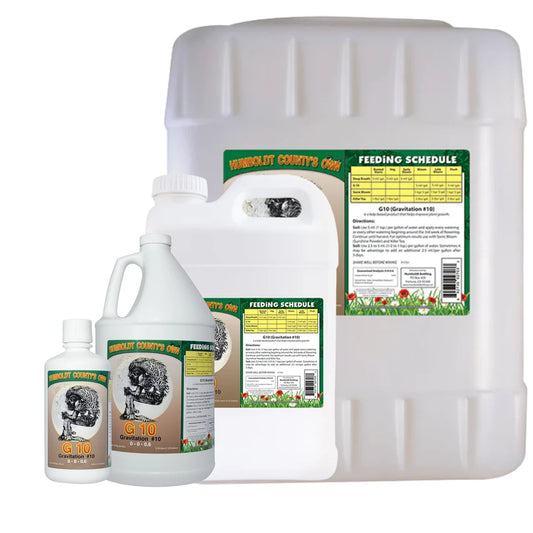
Emerald Triangle G10 Gravitation 0-0-0.6 | Kelp Bloom Enhancer, 1 Gallon
Vendor:Emerald TriangleRegular price $122.48 USDRegular priceUnit price per -
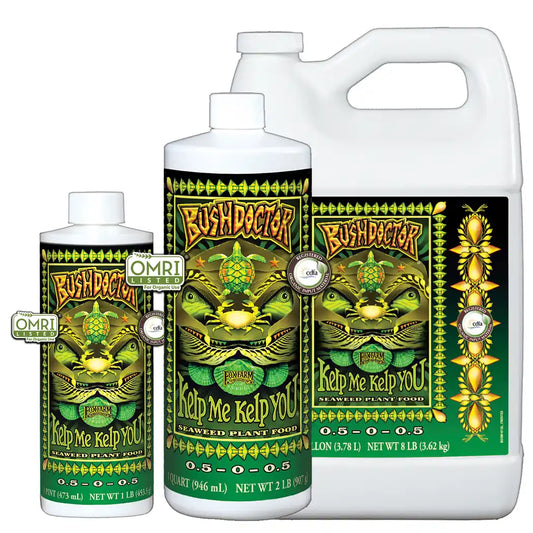
FoxFarm Kelp Me Kelp You 0.5-0-0.5 | Bush Doctor Liquid Kelp, 1 Gallon
Vendor:FoxFarmRegular price $93.68 USDRegular priceUnit price per -
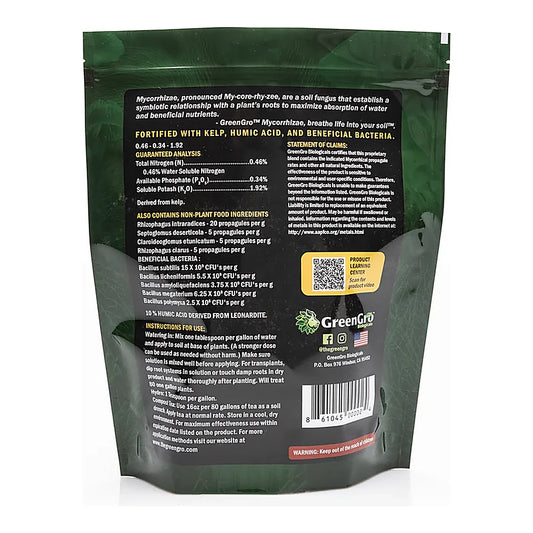
GreenGro Biologicals Granular Plus Mycorrhizae | Kelp, Humic & Bacillus Blend
Vendor:GreenGro BiologicalsRegular price From $22.22 USDRegular priceUnit price per -
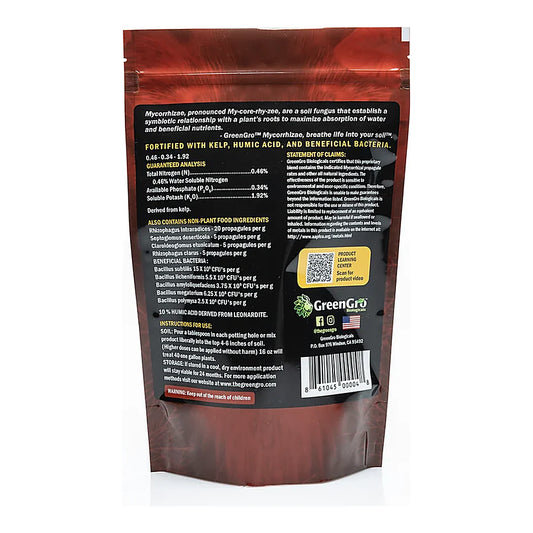
GreenGro Premium Ultrafine Mycorrhizae | Water-Soluble Myco, 4 oz to 30 lb
Vendor:GreenGro BiologicalsRegular price From $22.22 USDRegular priceUnit price per -
Humboldt Nutrients - Verde (16-1-2)
Vendor:Humboldt NutrientsRegular price From $70.40 USDRegular priceUnit price per -
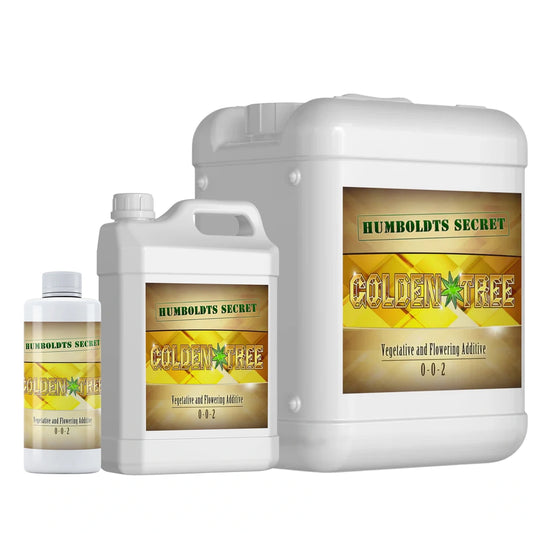
Humboldt's Secret - Golden Tree - Organic Complete Nutrient Additive
Vendor:Humboldt's SecretRegular price $1,300.00 USDRegular priceUnit price per -
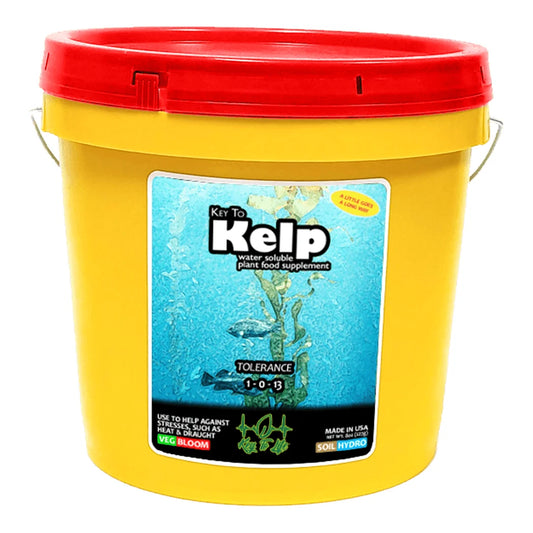
Key To Life - Key to Kelp 1-0-13
Vendor:Key to LifeRegular price From $18.62 USDRegular priceUnit price per$18.70 USDSale price From $18.62 USDSale -
Maxicrop Original Liquid Seaweed 0-0-1 | Norwegian Kelp Extract, 1 & 2.5 gal
Vendor:MaxicropRegular price From $33.49 USDRegular priceUnit price per












Seaweeds + Kelps
Seaweed Extract for Plants: Liquid Kelp and Soluble Seaweed Powders
Seaweed extract for plants is a biostimulant, not a base nutrient. Cold-water kelp such as Ascophyllum nodosum carries natural cytokinins, auxins, betaines and alginates that plants read as growth signals. This collection covers liquid kelp, soluble seaweed powders and fish-and-kelp blends for soil, coco and hydro. Not sure which fits your grow? Start with our guide to the best kelp and seaweed additive for plants....

Most straight extracts read close to 0-0-1, so they ride on top of the feed chart. Pair them with humic and fulvic acids and build the base from our nutrients lineup.
Types of Kelp Extract for Plants
Liquid Kelp Fertilizer
Maxicrop Liquid Seaweed, Age Old Kelp, FoxFarm Kelp Me Kelp You and Technaflora B. Seaweed mix straight into a can, sprayer or reservoir. Kelp Me Kelp You is the easy pick for tents and small soil gardens. B. Seaweed is filtered fine enough for drip emitters and foggers.
Soluble Seaweed Powder
Ventana Commercial Seaweed, Maxicrop Soluble Seaweed Powder, Key to Kelp and NPK Industries RAW Kelp dissolve in water for stock tanks and injectors. Ventana is the commercial pick, with a published gram-per-gallon chart for big batches.
Fish and Kelp Blends
Age Old Fish & Seaweed, Roots Organics Surge and CYCO Outback Seeweed pair kelp with fish or manure. CYCO Seeweed is a dry blend worked into outdoor and greenhouse beds. They carry more nitrogen than straight kelp, so count them as feed.
How Growers Use Seaweed Fertilizer
A seaweed foliar spray is the fast route, applied early in the light cycle so leaves dry before lights-off. Root drenches earn their place at clone and transplant, when the goal is new white root. Reach for kelp ahead of a heat wave or after a heavy defoliation.
Frequently Asked Questions
Is seaweed extract good for plants?
Yes, as a biostimulant rather than a fertilizer. The NPK is minimal, but the extract supplies cytokinins, auxins, betaines and alginates. Peer-reviewed work on Ascophyllum nodosum links these compounds to stronger roots and better tolerance of heat, drought, salinity and cold.
Can you use kelp during flowering?
Yes, with the right product. Emerald Triangle G10 Gravitation and Roots Organics Surge are made for the bloom phase. Others stop earlier: the FoxFarm Kelp Me Kelp You label calls for use through veg until the first sign of bud development.
How much seaweed extract per gallon?
It depends on the product, so the label rate always wins. FoxFarm Kelp Me Kelp You calls for 1 to 2 teaspoons per gallon. Maxicrop lists 2 tablespoons of its liquid, or 1 teaspoon of its soluble powder, per gallon for container plants.
How often to use seaweed extract?
Weekly to every other week covers most labels. Maxicrop recommends weekly feeding for container plants and vegetables, while FoxFarm Kelp Me Kelp You goes every other week through veg. Extra doses right after transplant or a stress event are where kelp pays off most.
Seaweed extract vs humic acid?
They do different jobs and work well together. Seaweed extract acts on the plant through natural growth compounds. Humic acid acts on the root zone, holding nutrients where roots can reach them. Botanicare Liquid Karma blends both, or pair a kelp product with our humic and fulvic acid range.