
Tissue Culture
A tissue culture kit turns a few clean cuttings into a shelf of sterile plantlets that multiply in sealed tubes. Pick a microCLONE Starter or Tissueponics kit for a first run. Step up to SuperStarts for separate multiplying and rooting media, or the Athena kit for a full flow hood setup.
-
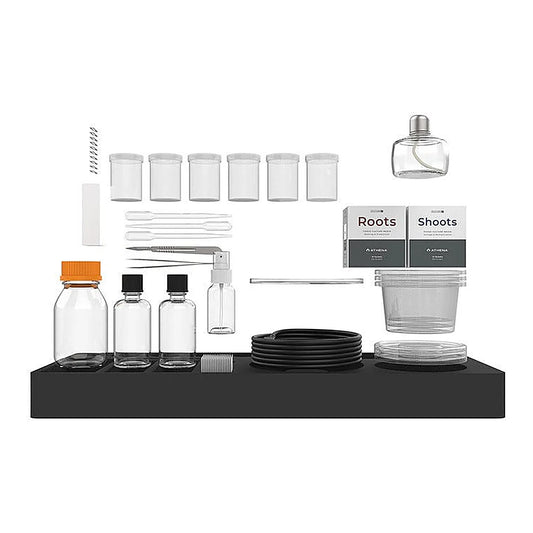
Athena Tissue Culture Kit | Flow Hood, Autoclave, Roots + Shoots Media
Vendor:AthenaRegular price $1,950.00 USDRegular priceUnit price per$1,950.00 USDSale price $1,950.00 USD -
MicroClone - SuperStarts - Plant Tissue Culture Kits
Vendor:microCLONERegular price $233.85 USDRegular priceUnit price per -
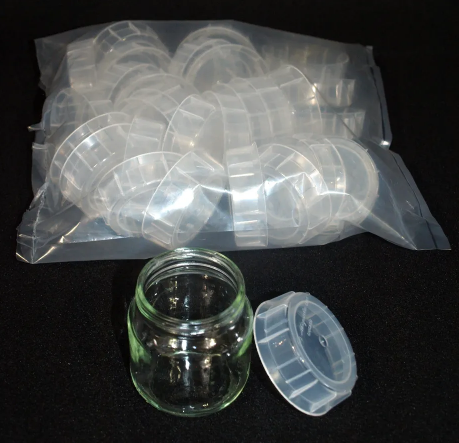
microCLONE Snap-on Lids for Tissue Culture Jars (30-pack)
Vendor:microCLONERegular price $21.09 USDRegular priceUnit price per -
microCLONE Rooting Media Kit (Root Kit)
Vendor:microCLONERegular price $10.20 USDRegular priceUnit price per -
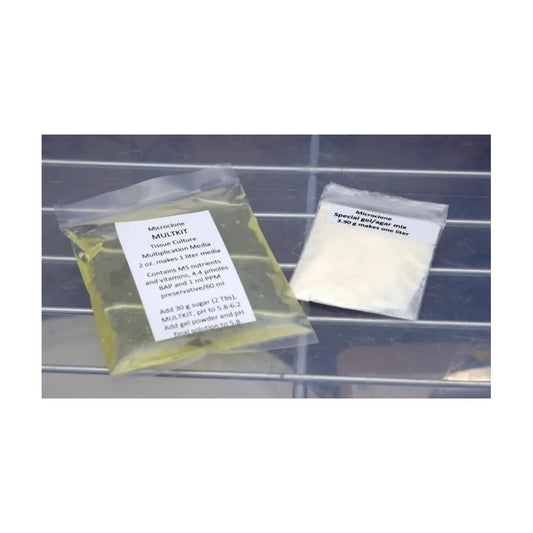
microCLONE Multiplication Media Kit BAP Hormone (MULTIKIT)
Vendor:microCLONERegular price $10.61 USDRegular priceUnit price per -
Tissue Culture microCLONE Starter Kit
Vendor:microCLONERegular price $69.37 USDRegular priceUnit price per -
microCLONE Tube Tray 16
Vendor:microCLONERegular price $34.72 USDRegular priceUnit price per -
microCLONE Tissueponics Starter Kit 36
Vendor:microCLONERegular price $130.37 USDRegular priceUnit price per -
microCLONE Tissueponics Starter Kit 108
Vendor:microCLONERegular price $321.28 USDRegular priceUnit price per -
microCLONE Seed Starter Kit
Vendor:microCLONERegular price $72.14 USDRegular priceUnit price per -
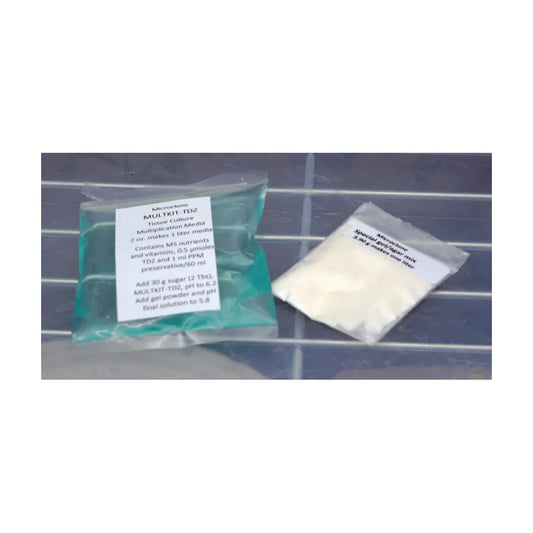
microCLONE Multiplication Media Kit TDZ Hormone (MULTI-TDZ)
Vendor:microCLONERegular price $10.68 USDRegular priceUnit price per -
microCLONE Tube Tray 36
Vendor:microCLONERegular price $75.17 USDRegular priceUnit price per -
microCLONE Liquid Media Refill for Tissueponics Kit - 1L
Vendor:microCLONERegular price $51.32 USDRegular priceUnit price per -
microCLONE Liquid Media Refill for Tissueponics Kit - 120ml
Vendor:microCLONERegular price $8.55 USDRegular priceUnit price per









Tissue Culture
Tissue Culture Kits, Media and Supplies for Plant Propagation
A tissue culture kit lets you grow new plants from tiny cuttings in sealed, sterile vessels. The cuttings feed on sugar, mineral salts and hormones, with no clone dome needed. The range runs from microCLONE starter and Tissueponics kits to the advanced SuperStarts and the Athena kit with its own flow hood and autoclave....

Rooted plantlets finish under our propagation lighting, and conventional cuttings use cloning gels and solutions. Both sit with tissue culture in the wider Plant Care range.
Types of Tissue Culture Supplies
Starter and Tissueponics Kits
The microCLONE Starter Kit holds 16 glass tubes, prepared liquid medium, a scalpel, forceps and sealing tape. Tissueponics 36 and 108 roots trimmed tips in liquid medium, a cycle microCLONE puts at three weeks. The Sterile Seed Germinating Kit adds embryo rescue agar for stubborn seed. Start here for a first run.
Advanced and Lab Kits
SuperStarts carries TDZ and MT multiplying media plus IBA and NAA rooting media, with 50 flip-top vials and a pH kit. microCLONE rates it for up to 500 clones. The Athena kit adds a portable flow hood and autoclave, with media for 120 culture vessels.
Media, Refills and Vessels
Multiplication kits come in BAP or TDZ, and the Root Kit handles the rooting stage. Tissueponics refills come in 120 ml and 1 liter. Tube Trays 16 and 36 and snap-on jar lids round out the workspace.
How Growers Use Tissue Culture
Growers use it to keep clean mother stock on a small shelf instead of a room of mother plants. Hormones in the medium push branching, so one node becomes several cuttings. microCLONE notes the tubes ship non-sterile, so autoclave or pressure-cook them first. A shelf needs only about 6 watts of light per square foot.
Frequently Asked Questions
What is plant tissue culture?
It is growing plants from small pieces of tissue in a sealed, sterile vessel. The cutting draws sugar, mineral salts and hormones from the medium through its cut surface, so it needs little light. The hormones push branching, and each new node becomes another cutting for the next round.
Can you do tissue culture at home?
Yes, with a kit and careful sterile technique. The microCLONE Starter Kit uses a pressure cooker to sterilize its tubes, and the medium carries preservatives that cut mold. For more control, the Athena kit adds its own flow hood and autoclave. Contamination is the main thing to beat.
What do you need for plant tissue culture?
You need culture vessels, a prepared medium, a scalpel, forceps, sealing tape and a way to sterilize everything. Separate multiplying and rooting media give better control. A clean work surface or flow hood and a lit shelf finish the setup. Our kits bundle these so you can start in one box.
Tissue culture vs cuttings: what's the difference?
Cuttings root in plugs or a cloner and need a mother plant for each round. Tissue culture keeps tiny, clean plantlets in sealed tubes that multiply on their own. microCLONE rates SuperStarts at three times the vessel count or better every 30 days, from a single shelf.