
Organic + Natural Nutrients
Organic bloom nutrients feed flowering plants and the soil life around their roots, using fish, kelp and other natural sources. Pick Surge or G10 for liquid bloom feeding, Crown Jewels or BioGrow for dry soil mixes, and Liquid Karma for clones and seedlings.
-
Botanicare Liquid Karma 1 Quart | 0.1-0.1-0.5 Kelp Supplement for Clones
Vendor:BotanicareRegular price $20.56 USDRegular priceUnit price per -
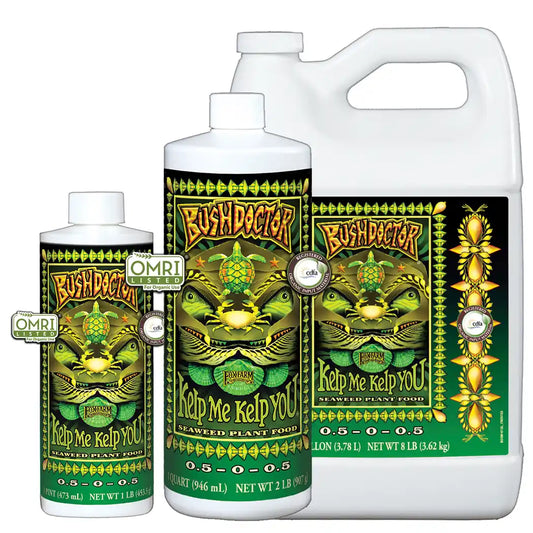
FoxFarm Kelp Me Kelp You 0.5-0-0.5 | Bush Doctor Liquid Kelp, 1 Gallon
Vendor:FoxFarmRegular price $93.68 USDRegular priceUnit price per -
BioRoot 0-1-1
Vendor:General HydroponicsRegular price From $47.79 USDRegular priceUnit price per -
Roots Organics Extreme Serene 0-2-2 -- 1 Quart
Vendor:Aurora InnovationsRegular price $32.23 USDRegular priceUnit price per -
Roots Organics Extreme Serene 0.25-0.1-2
Vendor:Aurora InnovationsRegular price From $98.96 USDRegular priceUnit price per -
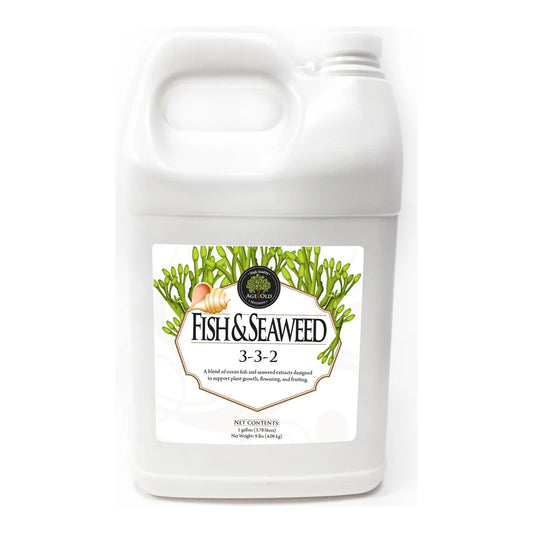
Age Old Nutrients - Fish and Seaweed 3-3-2
Vendor:Age Old NutrientsRegular price From $14.26 USDRegular priceUnit price per -
Maxicrop Original Liquid Seaweed 0-0-1 | Norwegian Kelp Extract, 1 & 2.5 gal
Vendor:MaxicropRegular price From $33.49 USDRegular priceUnit price per -
Humboldt Mayan MicroZyme -- 1 Quart
Vendor:Humboldt NutrientsRegular price $89.69 USDRegular priceUnit price per -
Botanicare Rhizo Blast 1.15-0.5-1.15 | Kelp Root Stimulator, 1000 ml
Vendor:BotanicareRegular price $79.84 USDRegular priceUnit price per -
Grow More Mendocino Avalanche -- 1 Quart
Vendor:Grow MoreRegular price $26.06 USDRegular priceUnit price per -
Roots Organics Surge | Fish, Kelp & Humic Bloom Nutrient, 1 Gallon
Vendor:Aurora InnovationsRegular price $66.55 USDRegular priceUnit price per -
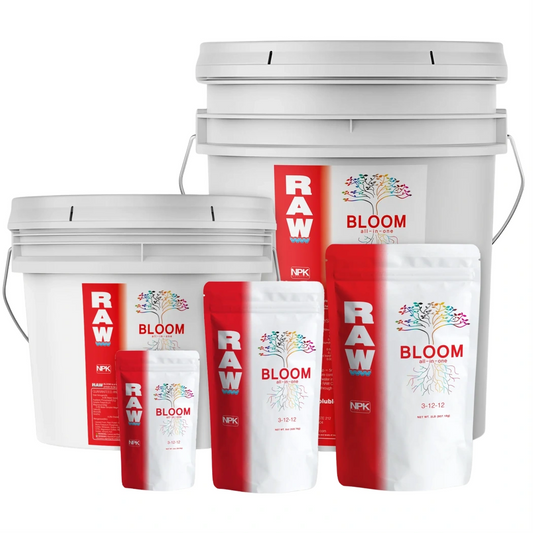
RAW Bloom All-In-One Nutrient 3-12-12 -- 8 oz
Vendor:NPK IndustriesRegular price $21.16 USDRegular priceUnit price per -
Grow More Hawaiian Bud 5-50-17 Soluble Bloom Fertilizer – 25 lb
Vendor:Grow MoreRegular price $165.39 USDRegular priceUnit price per -
Maxicrop Soluble Seaweed Powder 0-0-17 | 10 lb Bag - Special Order
Vendor:MaxicropRegular price $241.83 USDRegular priceUnit price per -
Sensational Solutions - Micronized Compost Tea
Vendor:Sensational SolutionsRegular price $13.33 USDRegular priceUnit price per -
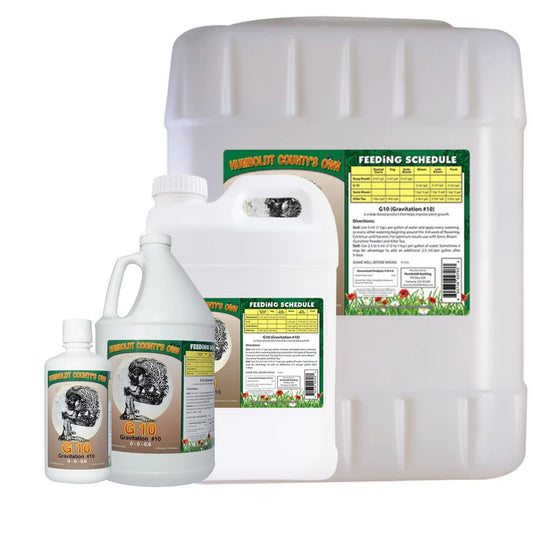
Emerald Triangle G10 Gravitation 0-0-0.6 | Kelp Bloom Enhancer, 1 Gallon
Vendor:Emerald TriangleRegular price $122.48 USDRegular priceUnit price per








Organic + Natural Nutrients
Organic Bloom Nutrients and Natural Plant Foods
Organic bloom nutrients feed flowering plants from fish, kelp, humates and other natural sources. This collection pairs Roots Organics Surge, Emerald Triangle G10 and Royal Gold Crown Jewels Bloom with grow feeds, kelp extracts, root boosters and soil builders. Most suit soil and coco, and several carry hydro rates....

For more organic feeds, see our organic nutrients collection. Kelp concentrates have their own seaweeds and kelps page, and both sit in the wider nutrients range.
Types of Organic and Natural Nutrients
Bloom Feeds and Flower Boosters
Roots Organics Surge blends fish protein, kelp, sugar and humic acid. The Hydrofarm chart runs it at 5 mL per gallon in bloom weeks 1 to 5. Emerald Triangle G10 is a 0-0-0.6 kelp extract that the maker says has no PGRs. Royal Gold Crown Jewels Bloom is a 1-4-2 dry feed with 11% calcium.
Grow Feeds and Dry Amendments
Royal Gold Crown Jewels Grow is an OMRI Listed 3-2-2 for pre-planting or top-dressing. Green House Feeding BioGrow 7-2-4 mixes into soil or coco at 12 to 18 g per gallon of substrate. Down To Earth adds Blood Meal at 12% nitrogen and an OMRI Listed granular humic acid.
Kelp, Root and Microbe Boosters
Botanicare Liquid Karma runs at 5 to 10 mL per gallon from rooted cutting to ripening. Acadian Organic Liquid, Maxicrop and Extreme Serene supply kelp. Humboldt Mayan MicroZyme, RAW Cane Molasses and Micronized Compost Tea feed the microbes in the root zone.
How Growers Use Natural Nutrients
Oregon State University Extension notes that organic fertilizers release nutrients slowly through biological and chemical processes in soil. That is why dry feeds like Crown Jewels go in early, as a pre-plant mix or top-dress. Liquids such as Surge and G10 then ride along with waterings through flower. The same slow release is why organic labels show lower N-P-K numbers than mineral salts. Shake fish and kelp jugs well, and follow each label.
Frequently Asked Questions
When should you start using bloom nutrients?
Most bloom feeds start once plants switch to flower, but each label sets its own window. The Roots Organics chart runs Surge from bloom week 1 to week 5. Emerald Triangle starts G10 at week 3 of flowering and keeps it in until harvest. Mendocino Avalanche is made for the final bloom stage.
Can you use organic fertilizer for hydroponics?
Some products here are labeled for it. Emerald Triangle gives G10 a hydro rate of 2.5 to 5 mL per gallon in the reservoir. Liquid Karma and Extreme Serene also fit fertigation programs. Fish and compost products carry solids, so shake them well and keep an eye on lines and emitters.
Organic vs synthetic nutrients: what is the difference?
Oregon State University Extension says organic fertilizers release nutrients slowly and are lower in concentration. Processed fertilizers are usually available to plants right away and are more concentrated. Some organic bloom nutrients blend both: RAW Bloom pairs plant protein hydrolysate and cane molasses with mono potassium phosphate.