
Microscopes + Loupes
A trichome microscope or lighted loupe catches mites, eggs and leaf disease early, while they are still easy to treat. Pick the 30x loupe for quick weekly scouting, the 100X microscope to confirm what you find, and the filter for clean photos.
-
Active Eye 100X Illuminated Microscope | LED, Case and Batteries
Vendor:Active EyeRegular price $20.42 USDRegular priceUnit price per -
Active Eye Lighted Loupe 30x | LED, Batteries and Case Included
Vendor:Active EyeRegular price $16.77 USDRegular priceUnit price per -
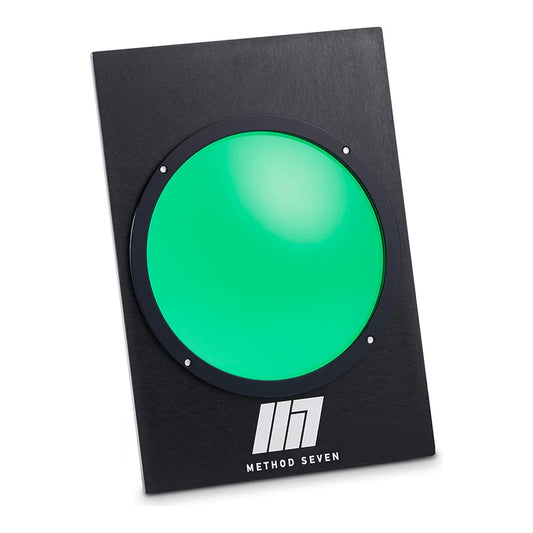
Method Seven Rendition LED Camera Photo Filter | Blurple, Cokin P Fit
Vendor:Method SevenRegular price $125.00 USDRegular priceUnit price per$125.00 USDSale price $125.00 USD


Microscopes + Loupes
Trichome Microscope and Lighted Loupes for Scouting Plants
A trichome microscope or lighted loupe shows what the naked eye misses: resin heads, mite eggs and the first spots of leaf disease. It carries the Active Eye 100X microscope and 30x lighted loupe. A Method Seven filter takes the purple cast out of photos under blurple LEDs....

To see true leaf color under the lights themselves, add grow room glasses from our eyewear range. Shears, labels and other bench tools sit in the wider tools and gear section.
Types of Magnifiers
Lighted Loupes
The Active Eye loupe magnifies 30x, enough to pick out mite eggs and cast skins. Its LED sits inside the barrel, so there is no shadow when you check leaf undersides. Batteries and a hard case come in the box. Pick it for fast weekly scouting.
Pocket Microscopes
The Active Eye microscope steps up to a fixed 100X with a bright LED. It helps identify pests, disease and plant tissue up close, and ships with a case and a color chart. Pick it when a loupe shows something you need to confirm before you treat.
Camera Filters
The Method Seven Rendition LED filter removes the magenta cast of blurple LEDs, so photos show the plant and not the lamp. It drops into a Cokin P holder. It overcorrects under white full-spectrum LEDs, so use it only with blurple fixtures.
How Growers Use Magnifiers
Scout once a week, starting with the newest growth and the undersides of leaves, where mites gather. Rest the loupe barrel on the leaf to hold focus. When you find something, step up to the microscope, then photograph it with the filter for your records.
Frequently Asked Questions
Can you see spider mites with a magnifying glass?
Yes. UC IPM notes that spider mites look like tiny moving dots to the naked eye but are easy to see with a 10X hand lens. Adult females are under 1/20 inch long. A 30x lighted loupe also shows eggs and cast skins, so you catch a colony early.
Loupe vs microscope: which should I use?
Use both, for different jobs. A 30x loupe is quick: rest it on a leaf and scan a whole bench in minutes. A 100X pocket microscope shows a smaller area in far more detail. That helps you confirm a pest, a disease spot or a trichome head.
How to use a jeweler's loupe?
Hold the leaf steady and rest the loupe barrel directly on its surface instead of hovering above it. That keeps the image in focus. Switch on the built-in LED for shaded spots. Check leaf undersides and new growth first, then work outward across the plant.