
Sweeteners + Silicas
Dial in flavor, aroma, and resilience with the Sweeteners + Silicas collection at GrowersHouse. These hydroponic plant sweeteners and silica supplements help indoor, greenhouse, and vertical growers strengthen stems, improve nutrient uptake, and unlock higher-quality harvests with more consistent yields.
-
Stash Blend Premium Plant Additive
Vendor:Stash NutrientsRegular price From $29.70 USDRegular priceUnit price perStash Blend Premium Plant Additive
Regular price From $29.70 USDRegular priceUnit price perStash Blend Premium Plant Additive
Regular price From $29.70 USDRegular priceUnit price per -
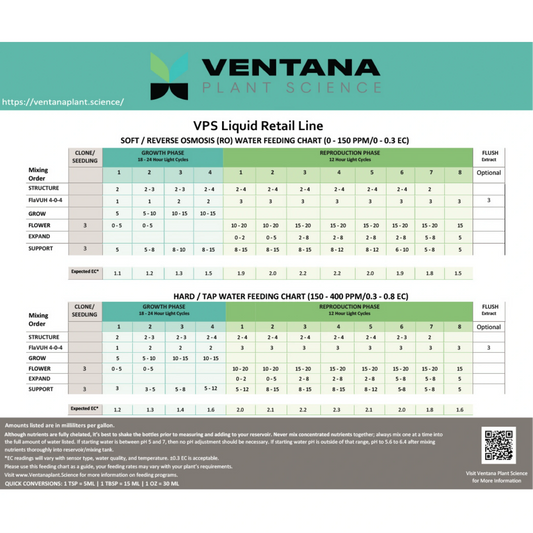
Ventana Plant Science - Structure (Silica)
Vendor:Ventana Plant ScienceRegular price From $20.00 USDRegular priceUnit price per$20.00 USDSale price From $20.00 USDVentana Plant Science - Structure (Silica)
Regular price From $20.00 USDRegular priceUnit price per$20.00 USDSale price From $20.00 USDVentana Plant Science - Structure (Silica)
Regular price From $20.00 USDRegular priceUnit price per$20.00 USDSale price From $20.00 USD -
Ventana Plant Science - FlaVUH 4X Concentrate (4-0-4)
Vendor:Ventana Plant ScienceRegular price From $29.99 USDRegular priceUnit price perVentana Plant Science - FlaVUH 4X Concentrate (4-0-4)
Regular price From $29.99 USDRegular priceUnit price perVentana Plant Science - FlaVUH 4X Concentrate (4-0-4)
Regular price From $29.99 USDRegular priceUnit price per -
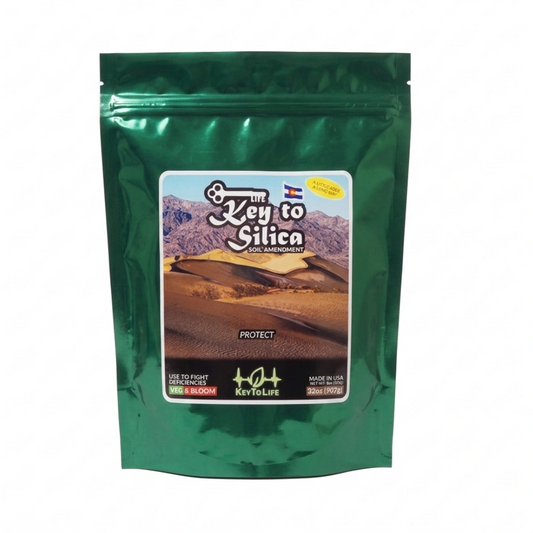
Key To Life - Key to Silica
Vendor:Key to LifeRegular price From $20.28 USDRegular priceUnit price per$20.28 USDSale price From $20.28 USDKey To Life - Key to Silica
Regular price From $20.28 USDRegular priceUnit price per$20.28 USDSale price From $20.28 USDKey To Life - Key to Silica
Regular price From $20.28 USDRegular priceUnit price per$20.28 USDSale price From $20.28 USD -
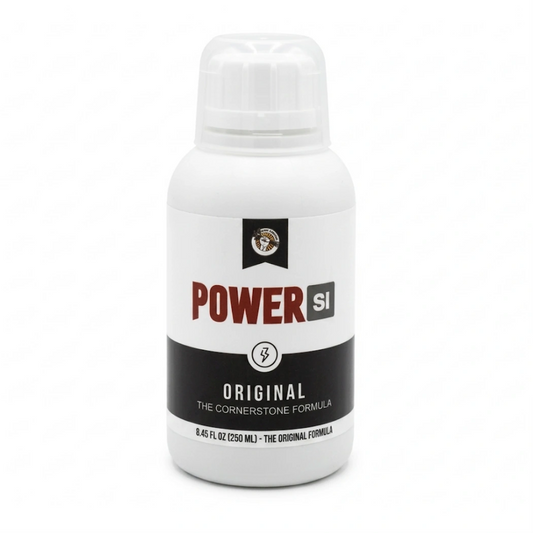
PowerSi Original Silicic Acid
Vendor:PowerSiRegular price From $53.85 USDRegular priceUnit price per$75.00 USDSale price From $53.85 USDPowerSi Original Silicic Acid
Regular price From $53.85 USDRegular priceUnit price per$75.00 USDSale price From $53.85 USDPowerSi Original Silicic Acid
Regular price From $53.85 USDRegular priceUnit price per$75.00 USDSale price From $53.85 USDSale -
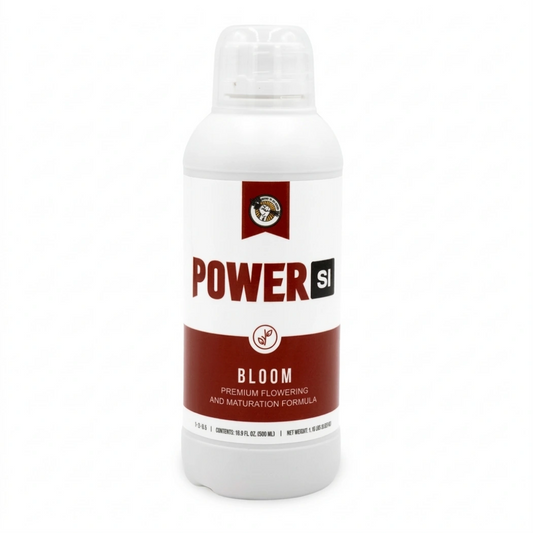
PowerSi Bloom Silicic Acid
Vendor:PowerSiRegular price From $56.92 USDRegular priceUnit price per$75.00 USDSale price From $56.92 USDPowerSi Bloom Silicic Acid
Regular price From $56.92 USDRegular priceUnit price per$75.00 USDSale price From $56.92 USDPowerSi Bloom Silicic Acid
Regular price From $56.92 USDRegular priceUnit price per$75.00 USDSale price From $56.92 USDSale -
Botanicare Silica Blast -- Quart
Vendor:BotanicareRegular price $12.29 USDRegular priceUnit price per -
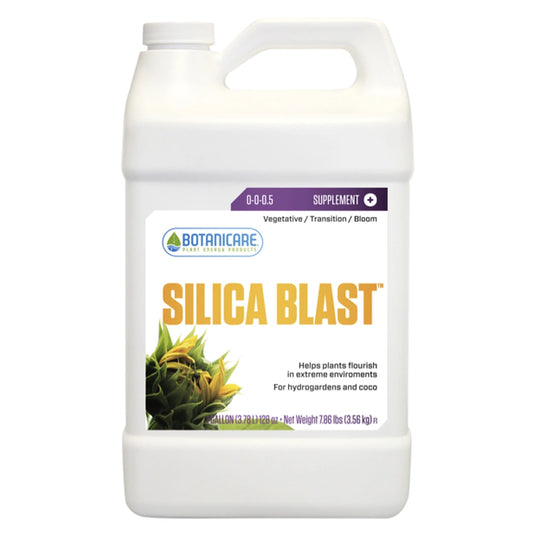
Botanicare Silica Blast
Vendor:BotanicareRegular price From $28.82 USDRegular priceUnit price perBotanicare Silica Blast
Regular price From $28.82 USDRegular priceUnit price perBotanicare Silica Blast
Regular price From $28.82 USDRegular priceUnit price per -
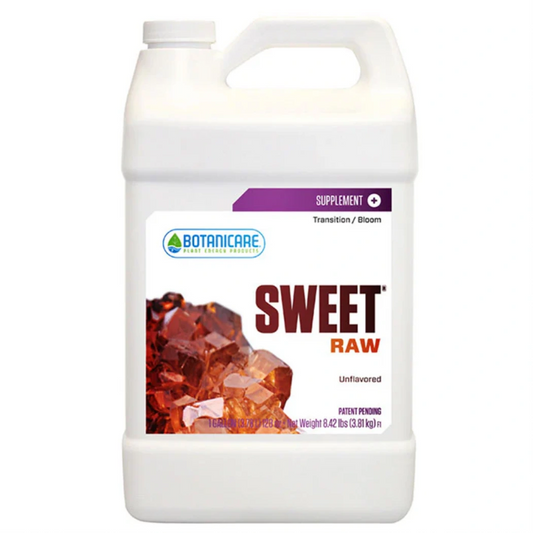
Botanicare Sweet Carbo Raw
Vendor:BotanicareRegular price From $26.96 USDRegular priceUnit price perBotanicare Sweet Carbo Raw
Regular price From $26.96 USDRegular priceUnit price perBotanicare Sweet Carbo Raw
Regular price From $26.96 USDRegular priceUnit price per -
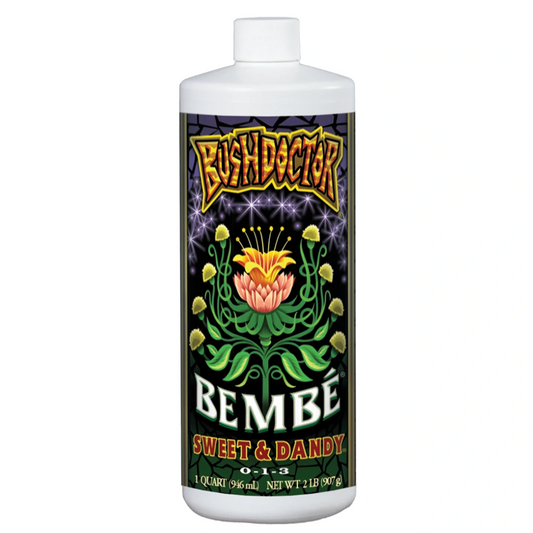
FoxFarm Bush Doctor Bembe Sweet & Dandy
Vendor:FoxFarmRegular price From $18.97 USDRegular priceUnit price perFoxFarm Bush Doctor Bembe Sweet & Dandy
Regular price From $18.97 USDRegular priceUnit price perFoxFarm Bush Doctor Bembe Sweet & Dandy
Regular price From $18.97 USDRegular priceUnit price per -
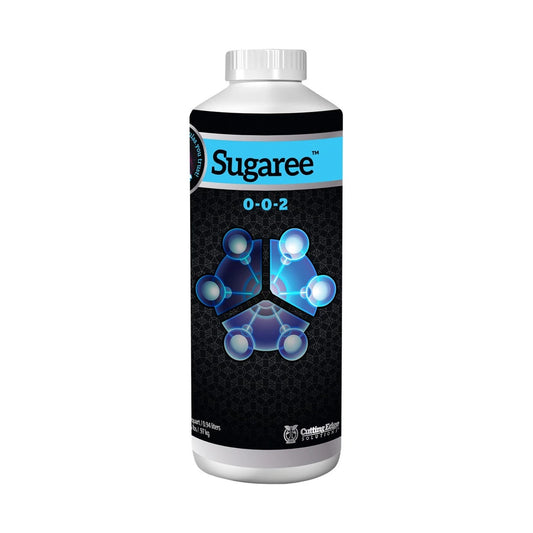
Cutting Edge Solutions Sugaree
Vendor:Cutting Edge SolutionsRegular price From $23.75 USDRegular priceUnit price perCutting Edge Solutions Sugaree
Regular price From $23.75 USDRegular priceUnit price perCutting Edge Solutions Sugaree
Regular price From $23.75 USDRegular priceUnit price per -
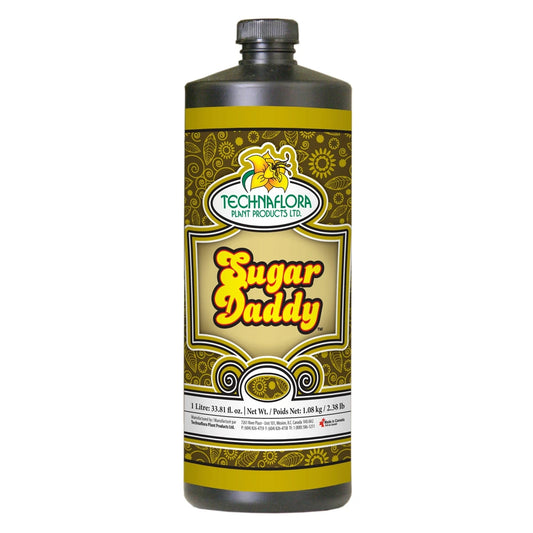
Technaflora Sugar Daddy
Vendor:TechnafloraRegular price From $27.98 USDRegular priceUnit price perTechnaflora Sugar Daddy
Regular price From $27.98 USDRegular priceUnit price perTechnaflora Sugar Daddy
Regular price From $27.98 USDRegular priceUnit price per -
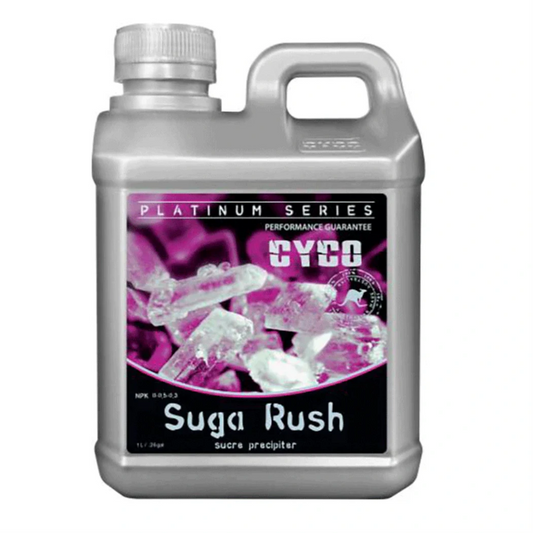
CYCO Suga Rush (0-0.5-0.3)
Vendor:CycoRegular price From $19.07 USDRegular priceUnit price perCYCO Suga Rush (0-0.5-0.3)
Regular price From $19.07 USDRegular priceUnit price perCYCO Suga Rush (0-0.5-0.3)
Regular price From $19.07 USDRegular priceUnit price per -
Power Si Granular Silica ( 0.9 - 0.8 - 0.8 ) | Stabilized Silica Supplement
Vendor:PowerSiRegular price $175.00 USDRegular priceUnit price per$250.00 USDSale price $175.00 USDSale -
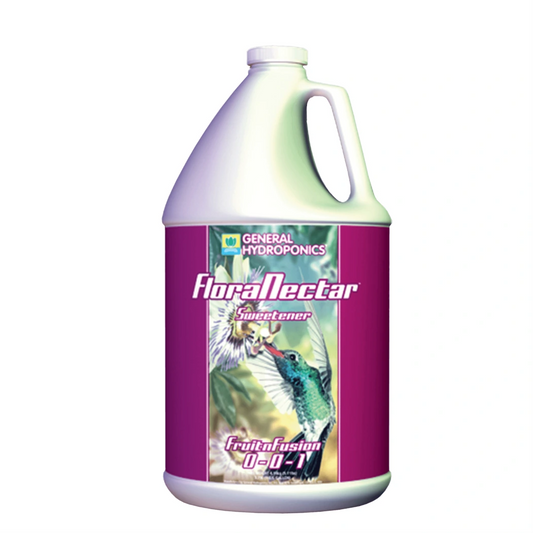
FloraNectar FruitnFusion 0-0-1
Vendor:General HydroponicsRegular price From $60.81 USDRegular priceUnit price perFloraNectar FruitnFusion 0-0-1
Regular price From $60.81 USDRegular priceUnit price perFloraNectar FruitnFusion 0-0-1
Regular price From $60.81 USDRegular priceUnit price per -
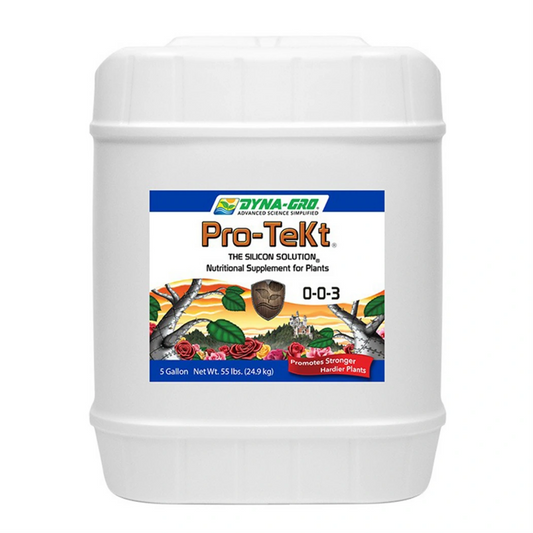
Dyna-Gro Pro-TeKt 0-0-3
Vendor:Dyna-groRegular price From $56.00 USDRegular priceUnit price perDyna-Gro Pro-TeKt 0-0-3
Regular price From $56.00 USDRegular priceUnit price perDyna-Gro Pro-TeKt 0-0-3
Regular price From $56.00 USDRegular priceUnit price per
















Sweeteners + Silicas
For Stronger, High-Quality Crops
Enhance plant performance with the Sweeteners + Silicas collection from GrowersHouse. These targeted supplements are formulated for hydroponics, coco, and other soilless setups in greenhouses, indoor farms, and vertical growing systems. Plant sweeteners support natural sugar production and energy flow, helping improve aroma, flavor, and overall crop quality, while silica supplements reinforce cell walls, strengthen stems, and improve tolerance to stress, dry-back, and shifting environmental conditions. Together, they help you push crop quality and consistency while keeping irrigation systems efficient and easy to manage. ...

How Sweeteners and Silicas Support Plant Performance
In controlled environment agriculture, every percentage point of quality and yield matters. Plant sweeteners deliver available carbohydrates and support microbial activity in the root zone, helping roots explore more substrate and improving nutrient uptake efficiency. Silica, on the other hand, is deposited in plant cell walls, creating sturdier stems and leaves that are better able to handle high light, heavy fruit loads, pruning, and mechanical movement from fans or trellising. Used together, sweeteners and silicas help stabilize growth, support brix levels, and promote a healthier, more resilient crop from veg through finish.
GrowersHouse Sweeteners + Silicas are selected to mix cleanly in reservoirs, work with today’s popular base nutrients, and integrate smoothly into automated fertigation, drip, and recirculating systems. That means more consistent EC/PPM, fewer clogged lines, and more predictable performance across cycles.
Best Uses in Hydroponic and Soilless Systems
When to add plant sweeteners
Plant sweeteners are typically introduced once roots are established and plants are actively growing. Many growers run low rates in late veg, then increase slightly during flowering or fruiting when plants demand more energy to build density, color, and flavor. They pair especially well with bloom boosters and finishing formulas for flowers, fruits, and aromatic herbs, and can also support leafy greens during peak growth where improved vigor and post-harvest quality are priorities.
When to add silica supplements
Silica is most effective when used early and consistently, starting in propagation or early vegetative growth and continuing through the bulk of the crop cycle. Regular silica supplementation supports thicker stems, stronger branches, and improved leaf structure, which helps plants hold their shape under aggressive lighting and high-density planting. Silica can also be used at modest rates in late flower to help maintain structure and reduce stress, as long as it is compatible with your nutrient program and water quality.
Types of Sweeteners and Silica Supplements
Types of plant sweeteners
Within the Sweeteners + Silicas collection you’ll find a variety of plant sweetener styles, including carbohydrate blends, mineral-supported sweeteners, and products enriched with natural extracts. Carbohydrate blends supply simple and complex sugars that support root-zone biology and plant energy needs. Some formulations feature ingredients derived from sources like molasses-type fractions or plant-based extracts, refined for compatibility with hydroponic systems. Others focus on clean, low-residue formulations designed specifically for recirculating reservoirs and fine emitters.
Types of silica for plants
Silica supplements in this category generally fall into a few main groups: classic potassium silicate liquids, concentrated powdered silicas, and advanced monosilicic or stabilized silicic acid products. Potassium silicate is a time-tested choice that delivers both potassium and silicon for overall structure and stress tolerance. Powdered silicas can be economical where large volumes are mixed in-house. Monosilicic or stabilized silicic acid products are prized for their rapid plant availability and flexibility at low use rates, making them popular in high-performance hydroponic programs.
Frequently Asked Questions
What is the best source of silica for plants?
The best silica source for most controlled environment growers is a highly soluble, plant-available form such as potassium silicate or a monosilicic (stabilized silicic) acid supplement that is designed for hydroponic use. These products dissolve cleanly, are easy to dose by EC or mL per gallon, and mix well with common base nutrients when added in the recommended order. For large-scale operations, concentrated liquids or powders can be cost-effective, while smaller growers may prefer ready-to-use liquid silica additives that integrate seamlessly into their existing feed charts.
Does silica make plants grow faster?
Silica does not act like a traditional growth hormone or base nutrient, so it is not a “speed booster” by itself. Instead, it reinforces plant cell walls and improves tolerance to stress, which often results in steadier growth, stronger stems, and better overall performance under high light and intensive production conditions. By helping plants maintain turgor, stand upright, and make better use of water and nutrients, silica can indirectly support faster, more reliable growth compared to crops that receive no silicon at all.
Is sugar good for hydroponic plants?
Pouring table sugar directly into a hydroponic reservoir is not recommended, as it can create biofilm, disrupt solution balance, and encourage unwanted microbial growth. Instead, growers use formulated plant sweeteners designed specifically for hydroponics and soilless systems. These products contain carefully selected carbohydrates and supporting ingredients that dissolve cleanly and work in harmony with base nutrients, helping support root-zone biology, energy use, and quality-focused traits like aroma, flavor, and finish.
Are there downsides to using natural sweeteners?
Natural-style sweeteners can be powerful tools, but they should be used at the recommended rates and with good system hygiene. Overuse may contribute to slimy residues, clogged lines, or oxygen demand in the root zone—especially in warm reservoirs with limited filtration or aeration. To avoid issues, start at the low end of the label rate, monitor EC/PPM and root health, and keep reservoirs, lines, and filters clean. When used correctly, quality plant sweeteners add value without causing buildup or instability.