
Beakers + Measuring Glasses
Dial in every recipe with premium beakers and measuring glasses from GrowersHouse. Built for hydroponics, greenhouses, and indoor farms, this lab glassware keeps your nutrient solutions precise and consistent.
-
Disposable 3 ml Pipette | Graduated 0.5 to 3 ml for Nutrient Dosing
Vendor:HydrofarmRegular price $2.78 USDRegular priceUnit price per -
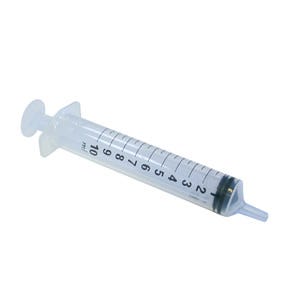
Grow Crew Syringe 10cc/ml
Vendor:Growers HouseRegular price $1.77 USDRegular priceUnit price per -
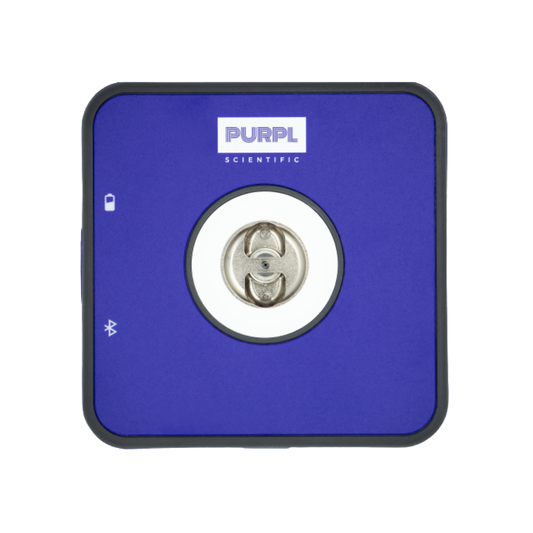
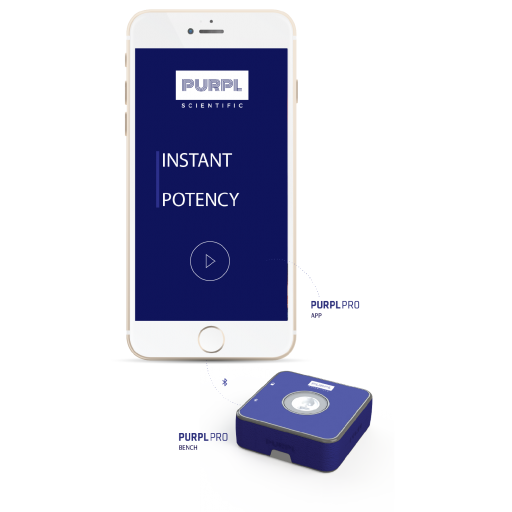
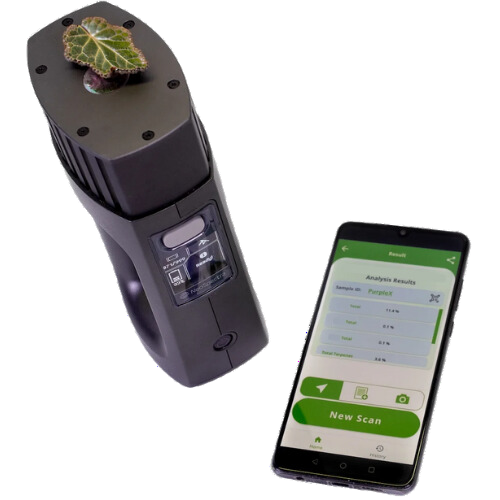
Purpl Scientific - Purpl PRO Kit
Vendor:Purpl ScientificRegular price $2,495.00 USDRegular priceUnit price per -
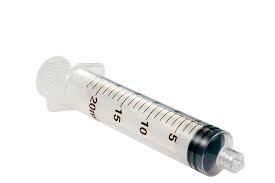
Grow Crew Syringe 20cc/ml
Vendor:Growers HouseRegular price $1.98 USDRegular priceUnit price per -
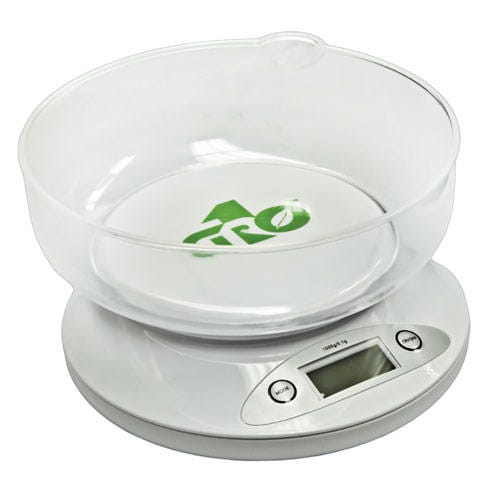
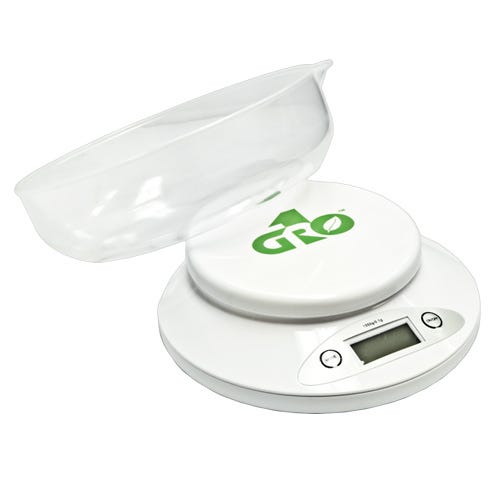
Gro1 Nutrient Digital Scale 2.2lb capacity
Vendor:Gro1Regular price $25.50 USDRegular priceUnit price per -
Milwaukee MA871 Digital Brix Refractometer | 0 to 85%, IP65
Vendor:MilwaukeeRegular price $191.06 USDRegular priceUnit price per -
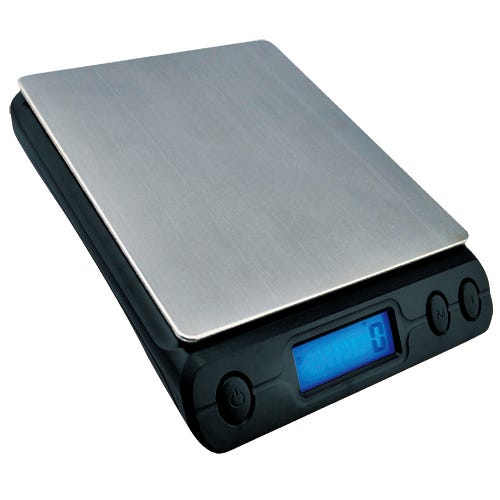
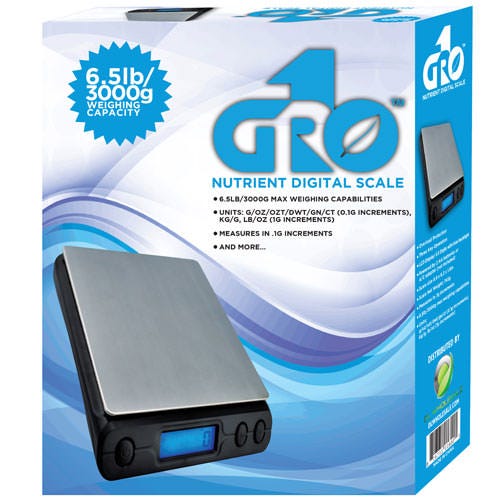
Grow1 Digital Nutrient Scale 11lbs/5Kg
Vendor:Gro1Regular price $43.06 USDRegular priceUnit price per -
Valenveras Portable Lab for Medicinal Crop Analysis
Vendor:ValenverasRegular price $12,850.00 USDRegular priceUnit price per


Beakers + Measuring Glasses
Upgrade your lab precision with our Beakers + Measuring Glasses collection at GrowersHouse. Designed for greenhouses, indoor farms, and vertical growing systems, this premium lab glassware ensures accurate measurements for nutrient formulations, chemical solutions, and research, helping you optimize plant health and crop performance every cycle...

How Beakers and Measuring Glasses Help Boost Yields
Our beakers and measuring glasses are engineered for controlled environment agriculture, where every milliliter matters. Made from durable, high-quality glass, they stand up to regular lab and grow-room use while delivering reliable accuracy for nutrient solution preparation, stock solutions, and pH or EC calibration mixes. Whether you run a compact indoor garden or a large-scale vertical farm, precise measuring tools reduce waste, prevent overfeeding, and keep your irrigation systems consistent from batch to batch.
Consistent feeding is one of the most powerful levers growers have to improve yield and quality. Using dedicated beakers and measuring glasses ensures your nutrient recipes stay repeatable and scalable. Accurate measurements prevent nutrient burn, deficiencies, and lockout, while also saving money by avoiding overdosing. In research settings or commercial facilities, precise lab glassware supports experiments, side-by-side trials, and long-term data tracking, helping you refine growing strategies and standard operating procedures with confidence.
Types of Beakers and Measuring Glasses for Growers
- Standard beakers are ideal for mixing nutrients, additives, and testing solutions, with easy-to-read graduations for quick volume checks.
- Measuring glasses offer finer volume markings for more accurate dosing of concentrates and liquid fertilizers.
- Choose from small volumes for micro-dosing additives to larger vessels for bulk mixing and reservoir prep, all designed to integrate seamlessly with other measuring instruments.
Frequently Asked Questions
What is a measuring beaker used for?
A measuring beaker is used to hold, mix, and roughly measure the volume of liquids such as nutrient solutions, additives, and cleaning agents. Growers often rely on beakers to combine base nutrients and supplements before adding them to a reservoir, to prepare calibration solutions, or to portion out liquids for testing and adjustments in their systems.
What is a beaker lab equipment?
A beaker is a piece of laboratory equipment made from glass (or sometimes plastic) with a flat bottom, straight sides, and a spout for easy pouring. It is designed for general-purpose tasks such as mixing, heating, transferring, and approximating liquid volumes. In a grow environment, beakers bridge the gap between the grow room and the lab by giving you a clean, controlled way to handle nutrient and treatment solutions.
Can a beaker be used as a device to measure the volume of a liquid?
Yes, a beaker can be used to measure the approximate volume of a liquid using the graduations printed on its side. For many everyday grow tasks, this level of accuracy is sufficient. However, for very precise measurements—such as concentrated nutrients or additives—it is often better to use measuring glasses or more finely graduated cylinders, which provide tighter tolerances and more consistent dosing.
How to mix nutrient solution for hydroponics?
To mix nutrient solution, start with a clean reservoir and fill it with the recommended amount of water. Using your beakers and measuring glasses, measure each nutrient component according to the manufacturer’s instructions, usually adding base nutrients first and additives afterward. Pour each measured ingredient into the water, stirring thoroughly between additions to ensure full dissolution. Once mixed, check and adjust EC or ppm and pH levels with your measuring instruments before feeding your plants to maintain a stable and balanced solution.
How to calculate nutrient solution?
Calculating nutrient solution typically involves following a dosage rate listed on the nutrient label, such as milliliters per liter or per gallon of water. First determine the total volume of your reservoir, then multiply the dosage rate by that volume to find how much nutrient to add. Use beakers and measuring glasses to accurately measure each dose, and verify the final mix with an EC or ppm meter. Keeping written records of your recipes and measurements helps you fine-tune feeding schedules and repeat successful results across crop cycles.