
Humidifiers
Keep your environment dialed in with commercial humidifiers for grow rooms and greenhouses. From compact units to high-output steam systems, maintain ideal humidity at every stage of plant growth for healthier, more productive indoor gardens.
-
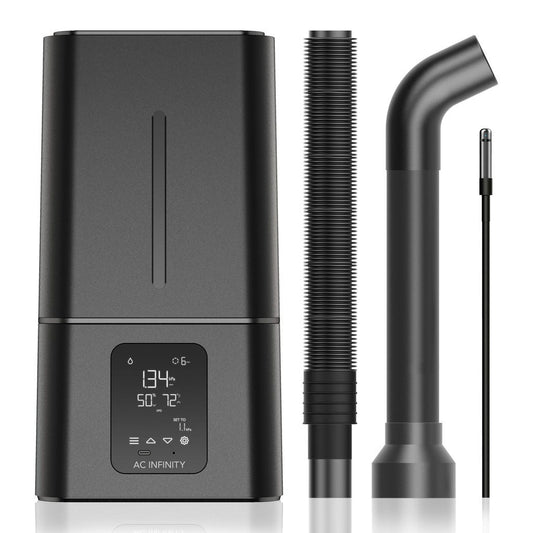
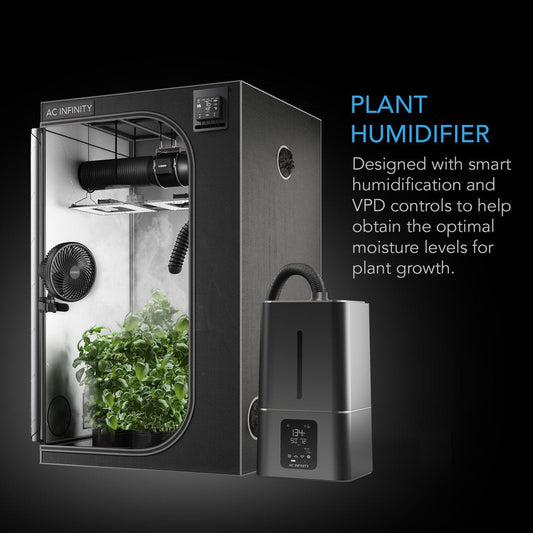
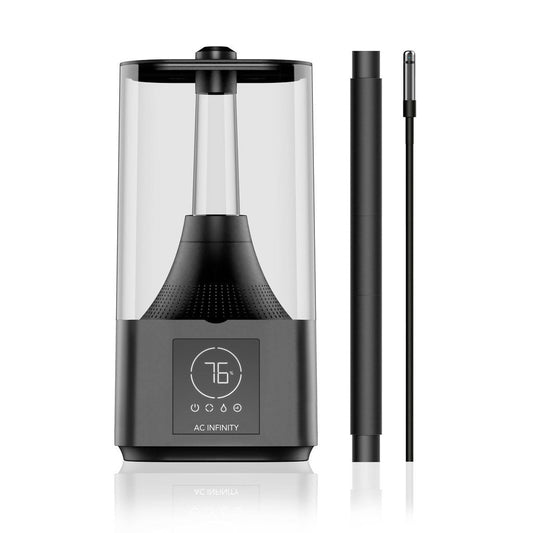
AC infinity Cloudforge T7 Environmental Plant Humidifier 15L smart control targeted vaporizing
Vendor:AC InfinityRegular price $169.00 USDRegular priceUnit price per$169.00 USDSale price $169.00 USD -
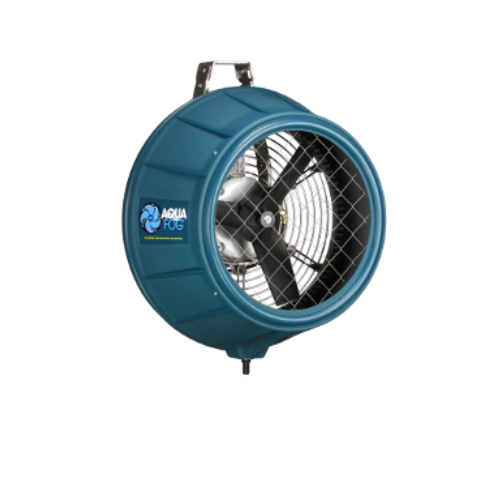
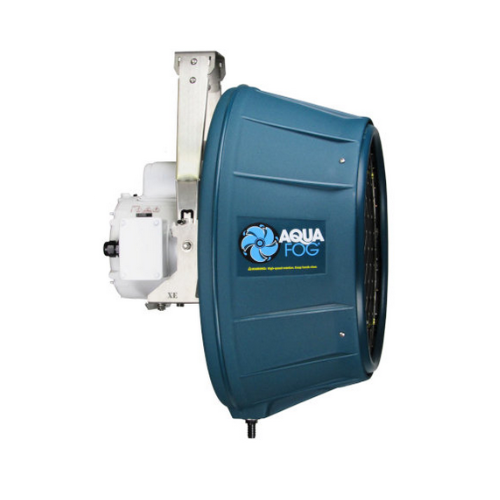
AquaFog Turbo XE-2000 Fogger 120-240v
Vendor:JaybirdRegular price $1,363.60 USDRegular priceUnit price per -
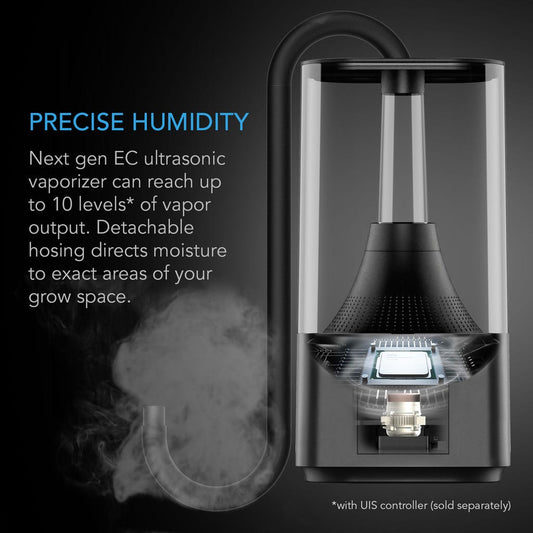
CLOUDFORGE T3, Environmental Plant Humidifier, 4.5L, Smart Controls, Targeted Vaporizing
Vendor:AC InfinityRegular price $76.57 USDRegular priceUnit price per$76.57 USDSale price $76.57 USD -
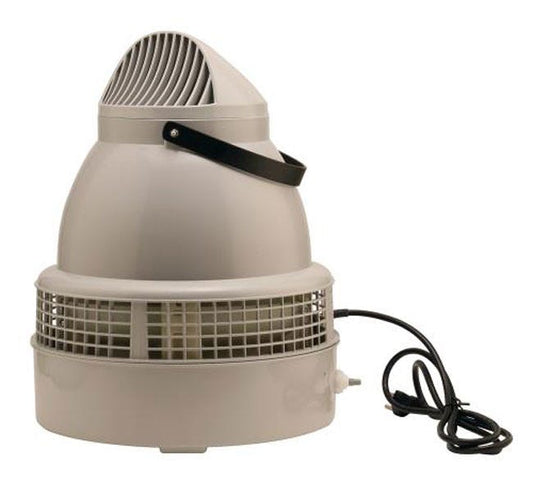
Ideal-Air Commercial Grade Humidifier - 75 Pints
Vendor:Ideal-AirRegular price $396.16 USDRegular priceUnit price per -
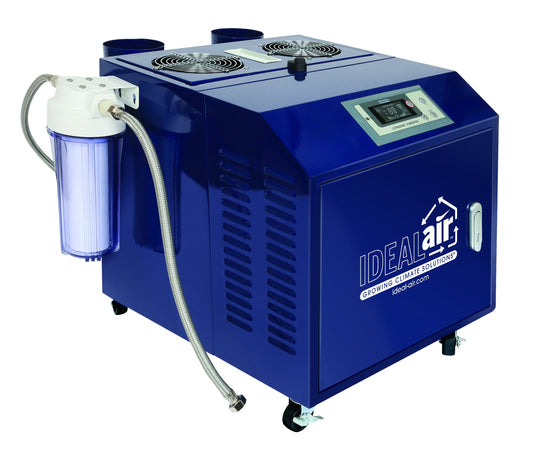
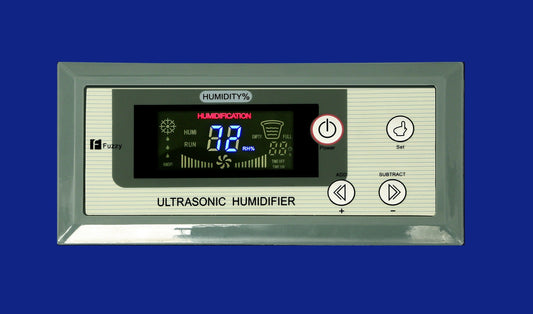
Ideal-Air Pro Series Ultra Sonic Humidifier 600 Pint
Vendor:Ideal-AirRegular price $1,825.15 USDRegular priceUnit price per
Humidifiers
Create the ideal climate for vigorous plant growth with commercial humidifiers for grow rooms and greenhouses. These systems connect directly to your water supply and release fine moisture into the air so you can dial in precise relative humidity for every stage of development. Whether you are running a compact grow tent or a large-scale indoor garden, a dedicated grow room humidifier helps protect plants from stress, support lush foliage, and maximize yields while keeping your environment stable and easy to manage....

Indoor growing is all about control: light, temperature, airflow, and especially humidity. If the air is too dry, plants lose water faster than roots can replace it, leading to drooping, slow growth, and poor nutrient uptake. If humidity stays too high, you risk disease and weak root development. With the right humidifier, you can adjust relative humidity to fit each phase of growth—higher for seedlings and early vegetative growth, then carefully tuned during flowering—so plants stay vigorous, resilient, and productive.
Types of Humidifiers for Grow Spaces
Standalone humidifiers with built-in fans
Standalone humidifiers distribute moisture directly into the room using integrated fans. They are easy to position in grow tents, small rooms, or medium greenhouses and are ideal when you want plug-and-play humidity control without modifying existing HVAC ductwork.
Steam humidifiers integrated with HVAC
Steam humidifiers inject moisture into your current HVAC ducts, treating large areas evenly and efficiently. These high-output systems are a strong choice for commercial facilities or expansive greenhouses where consistent humidity must reach every corner of the space.
Automatic humidifiers with controllers
Many humidifiers can be paired with external humidity controllers, or they come with built-in digital controls. Simply set your desired range—often between 30% and 90% relative humidity—and the system automatically turns on or off to maintain your target, reducing guesswork and daily manual adjustments.
How Humidifiers Support Each Growth Stage
Young plants thrive in higher humidity because it eases water uptake while roots are still developing. As plants grow and root systems strengthen, humidity can gradually be lowered to encourage stronger stems and better transpiration. During flowering, carefully controlled humidity supports resin production and dense flowers while helping reduce the risk of mold. A reliable humidifier allows you to shift these levels smoothly, giving plants the environment they need at every stage.
Choosing the Right Humidifier Size
To choose the right humidifier, match the unit’s output and coverage area to your grow space. Smaller commercial units can produce around 75 pints of moisture per day and are suitable for spaces starting at roughly 160 square feet. Larger models are built to handle more than 6,000 square feet, making them perfect for big rooms and greenhouses. Consider your room volume, ventilation, and dehumidification setup so your humidifier has enough capacity to maintain stable, consistent humidity without running at maximum power all day.
Frequently Asked Questions
Do hydroponic plants need a humidifier?
Hydroponic plants benefit greatly from a controlled humidity range, and a humidifier is often the best way to achieve this. Because roots sit in nutrient solution rather than soil, the balance between air moisture, water temperature, and airflow becomes even more important. A humidifier helps maintain stable conditions so plants can transpire properly, absorb nutrients efficiently, and avoid stress from excessively dry air.
When should you not use a humidifier?
You should avoid running a humidifier when humidity is already at or above your target range, especially during late flowering when excess moisture can encourage mold and disease. If surfaces feel damp, condensation forms on walls or ducting, or your hygrometer reads consistently high levels, turn the humidifier off and increase ventilation or dehumidification until readings return to a safe zone.
Should I use a humidifier in my grow tent?
Yes, many growers use a humidifier in their grow tent to stabilize conditions in such a small, enclosed environment. Tents can dry out quickly due to strong exhaust fans and warm grow lights. A compact, adjustable humidifier lets you maintain ideal humidity without soaking the tent or equipment, improving plant health and making temperature and nutrient management easier.
How do I add humidity to my grow room?
The most effective way to add humidity to a grow room is with a dedicated humidifier sized for your space and connected to a reliable humidity controller. Place the unit where air movement can distribute the mist evenly, set your desired relative humidity, and let the controller cycle the humidifier as needed. This approach is far more consistent and controllable than DIY methods like open water trays or misting by hand.