
Pesticides + Insecticides
Biological insecticides put microbes, spores and plant extracts to work against pests, often with short re-entry intervals. Use Bt and Bti for caterpillars and gnat larvae, and Beauveria or Isaria for soft-bodied pests. Total release foggers cover sealed greenhouses.
-
NoFly WP OMRI Listed - 2lb
Vendor:ArbicoRegular price $163.33 USDRegular priceUnit price per -
BioWorks BioNex 1 Gallon | Pyrethrin + Canola Oil Insecticide
Vendor:BioWorksRegular price $199.00 USDRegular priceUnit price per -
PyGanic Crop Protection EC 5.0 II | 1 Gallon, 5% Pyrethrins
Vendor:MGKRegular price $750.00 USDRegular priceUnit price per -
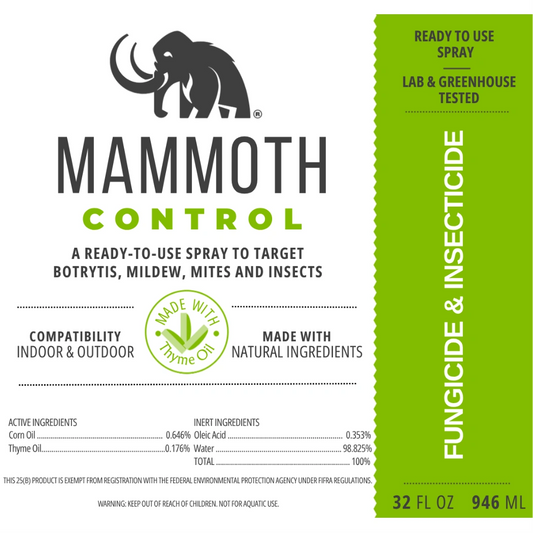
Mammoth Control - 25(b) Compliant - No REI Pesticide/Fungicide - 32 oz RTU
Vendor:MammothRegular price $26.95 USDRegular priceUnit price per -
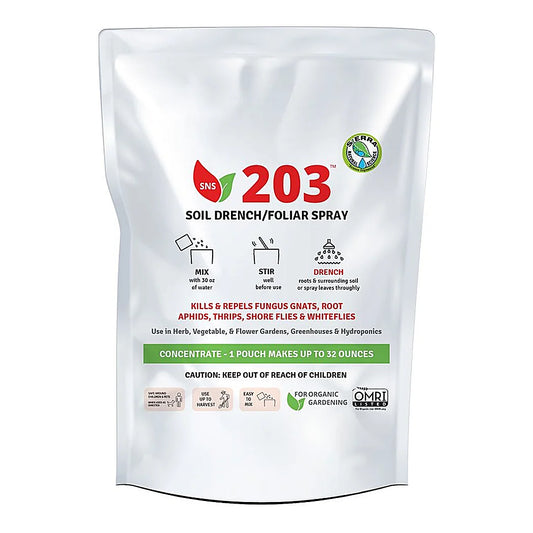
SNS 203 Soil Drench and Foliar Concentrate | Clove and Rosemary
Vendor:Sierra Natural ScienceRegular price From $22.45 USDRegular priceUnit price per -
Mildew Cure Organic Fungicide, 1 Quart | SaferGro, 25(b) Exempt
Vendor:SaferRegular price $23.28 USDRegular priceUnit price per -
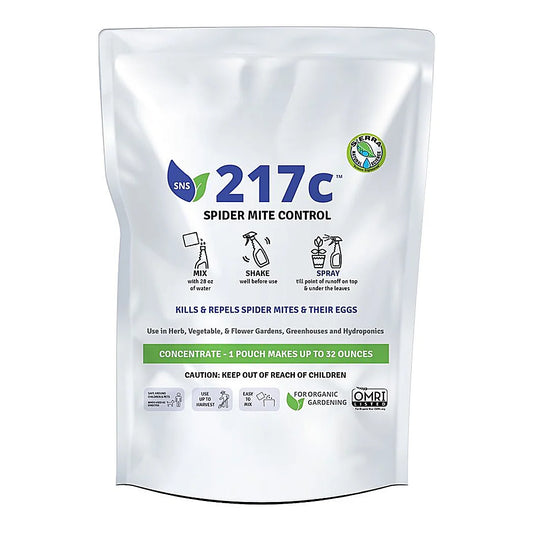
SNS 217C Miticide Concentrate | Rosemary 10 Percent, 25(b)
Vendor:Sierra Natural ScienceRegular price From $74.82 USDRegular priceUnit price per -
Microbe-Lift BMC 2 oz | 8% Bti Larvicide, Treats 400 Gallons
Vendor:Microbe LifeRegular price $13.00 USDRegular priceUnit price per -
Microbe-Lift BMC 6 oz | 8% Bti Liquid, Treats 2,000 Gallons
Vendor:Microbe LifeRegular price $30.94 USDRegular priceUnit price per







Pesticides + Insecticides
Biological Insecticides, Miticides and Greenhouse Pesticides
Biological insecticides use living microbes, fungal spores or plant extracts as their active ingredient, and most here are EPA registered with full labels. This collection covers BotaniGard, PFR-97, Grandevo, XenTari and Gnatrol, neem and pyrethrin sprays, oils and soaps. It also holds BASF total release foggers and Dramm PulsFOG application gear....

Minimum risk products with no federal registration sit on our 25(b) exempt pesticides page. Disease products are under fungal and mold management, and everything rolls up to IPM and plant care.
Types of Pest Control Products
Microbial Insecticides
BotaniGard 22WP carries Beauveria bassiana spores with a 4-hour REI and 0-day PHI. PFR-97 uses Isaria fumosorosea and labels humidity near 80% for 8 to 10 hours. XenTari and Javelin are Bt strains for caterpillars, and Gnatrol is Bti for fungus gnat larvae. Grandevo lists a 4-hour REI.
Neem, Pyrethrin, Oils and Soaps
Azatin O carries 4.5% azadirachtin and AzaGuard 3%, both insect growth regulators. PyGanic EC 5.0 is 5% pyrethrins with a 12-hour REI and a spray mix buffered to pH 5.5 to 7.0. M-Pede is a potassium fatty acid soap, and SuffOil-X is a pre-emulsified oil.
Total Release Foggers and Application Gear
BASF Pylon TR (chlorfenapyr) and Beethoven TR (etoxazole) are total release aerosols labeled for greenhouse ornamentals. Dramm PulsFOG thermal foggers apply solutions across large greenhouses.
How Growers Rotate Pest Control
Start microbial products early, before populations spike, since they work over several days. Rotate modes of action to slow resistance, switching IRAC group numbers between pest generations. Check each label for the crops and sites it covers, and always follow the label.
Frequently Asked Questions
What is a biological insecticide?
It is a pest control product whose active ingredient is a living organism or a natural extract. Examples here include Beauveria bassiana in BotaniGard, Bacillus thuringiensis in XenTari and Javelin, and Chromobacterium subtsugae in Grandevo. Azadirachtin from neem seed drives Azatin O and AzaGuard.
Does Bti work for fungus gnats?
Gnatrol WDG is a Bti larvicide labeled for fungus gnat larvae in greenhouses. Larvae must eat it, so it goes on as a soil drench. Valent lists 3.2 to 6.4 oz per 100 gallons for light infestations and 13 to 26 oz for heavy ones. It does not affect adult gnats.
What kills spider mites?
Several products here carry spider mites on the label. Beethoven TR uses etoxazole and Pylon TR uses chlorfenapyr, both total release aerosols for greenhouse ornamentals. Venerate CG lists broad, russet and spider mites, and M-Pede lists mites. Check that your crop is on the label before you apply.