
Chikamasa - Brand
Chikamasa scissors bring sharp Japanese stainless blades, sap-resisting fluorine coatings and spring or spring-free grips to hand trimming and pruning. Pick curved or slanted tips for detail work, straight blades for fast cuts, and TP-500 spring models for long sessions.
-
Chikamasa B-500SR Curved Scissors | Uncoated Japanese Stainless Steel
Vendor:ChikamasaRegular price $23.71 USDRegular priceUnit price per -
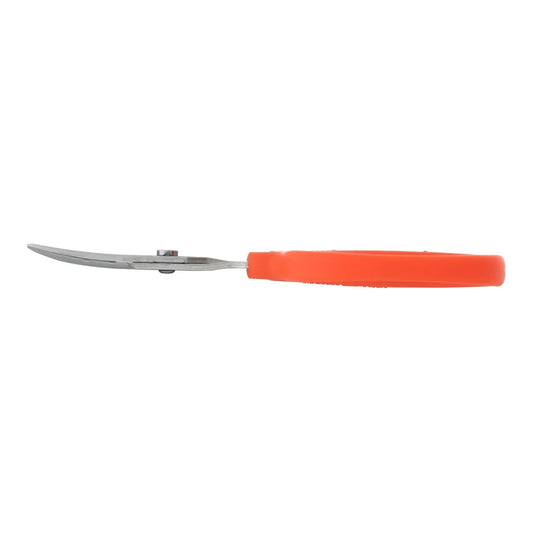
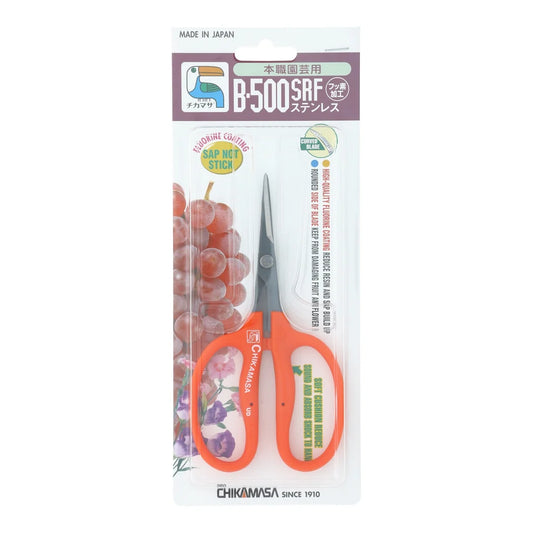
Chikamasa B-500SRF Curved Scissors | Fluorine-Coated Stainless Steel
Vendor:ChikamasaRegular price $27.04 USDRegular priceUnit price per -
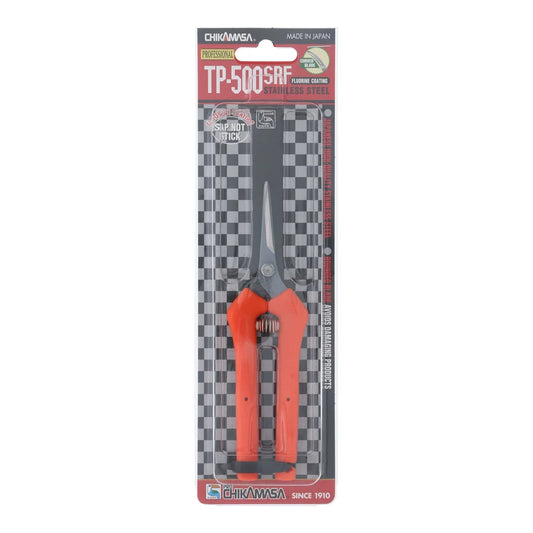
Chikamasa TP-500SRF Spring Scissors | Curved Fluorine-Coated Stainless
Vendor:ChikamasaRegular price $27.77 USDRegular priceUnit price per -
Chikamasa T-500S Harvest Shears | Stainless Blade, Spring, Steel Handles
Vendor:ChikamasaRegular price $24.51 USDRegular priceUnit price per -
Chikamasa B-500SL Slanted Scissors | L-Shape Japanese Stainless Blade
Vendor:ChikamasaRegular price $21.08 USDRegular priceUnit price per -
Chikamasa B-500SRFP Curved Scissors | Pink, Fluorine-Coated Stainless
Vendor:ChikamasaRegular price $27.48 USDRegular priceUnit price per -
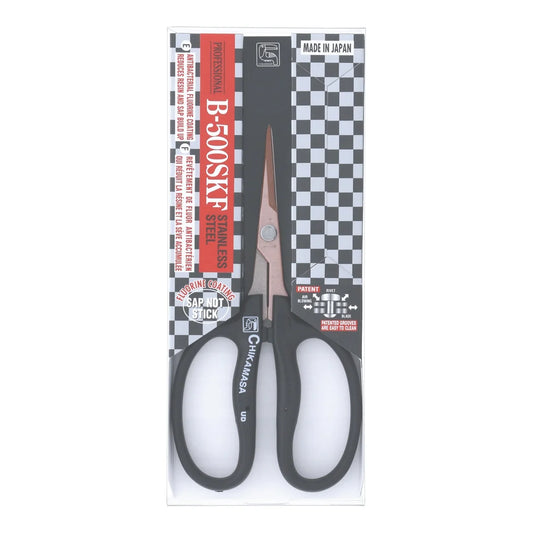
Chikamasa B-500SKF Antibacterial Scissors | Fluorine-Coated Stainless
Vendor:ChikamasaRegular price $29.49 USDRegular priceUnit price per -
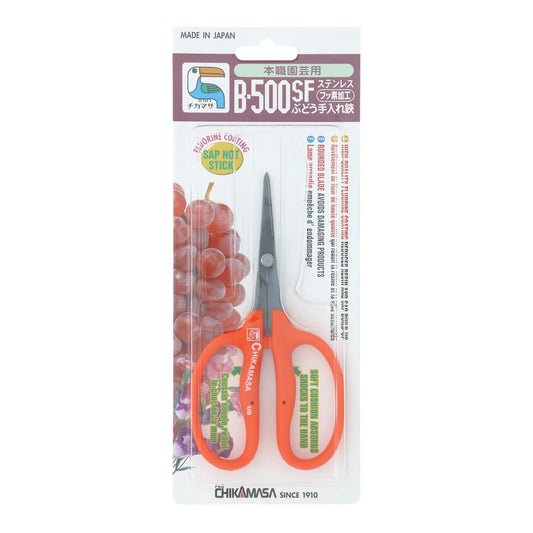
Chikamasa B-500SF Straight Scissors | Fluorine-Coated Japanese Stainless
Vendor:ChikamasaRegular price $24.00 USDRegular priceUnit price per -
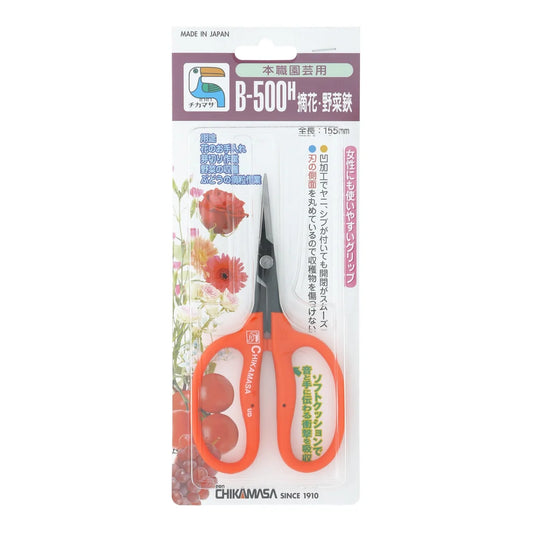
Chikamasa B-500H Straight Scissors | High-Carbon Japanese Tool Steel
Vendor:ChikamasaRegular price $17.17 USDRegular priceUnit price per -
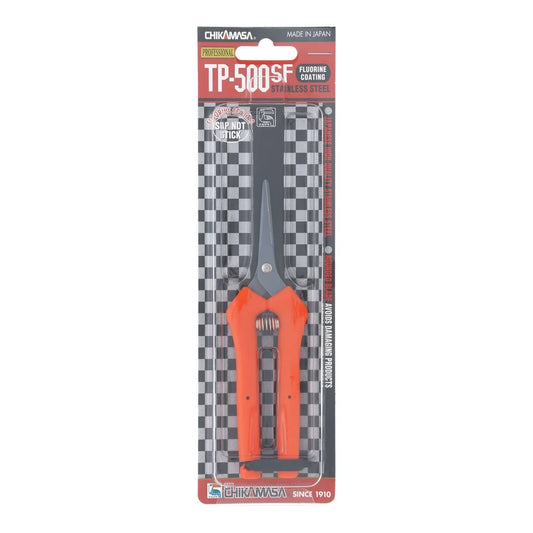
Chikamasa TP-500SF Spring Scissors | Straight Fluorine-Coated Stainless
Vendor:ChikamasaRegular price $24.76 USDRegular priceUnit price per -
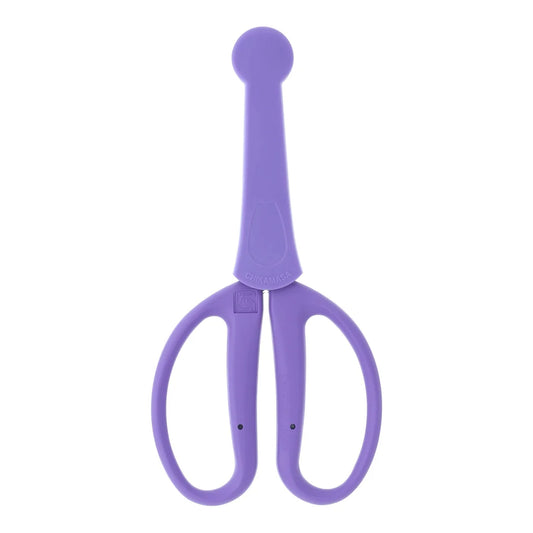
Chikamasa CRI-360SFV Florist Scissors | Fluorine Blade, Wire Cutter, Violet
Vendor:ChikamasaRegular price $29.76 USDRegular priceUnit price per -
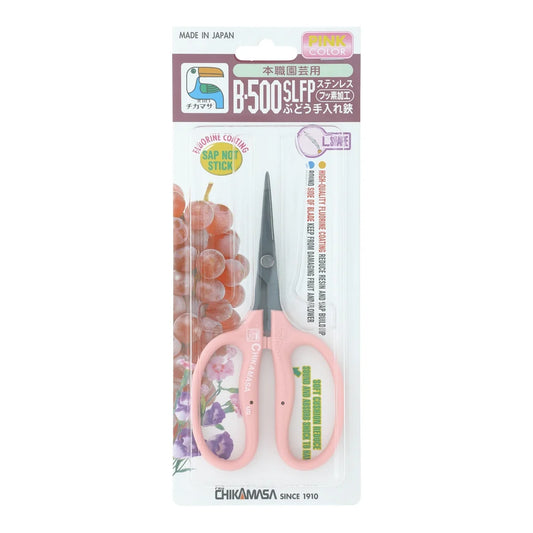
Chikamasa B-500SLFP Slanted Scissors | Pink, Fluorine-Coated Stainless
Vendor:ChikamasaRegular price $24.40 USDRegular priceUnit price per -
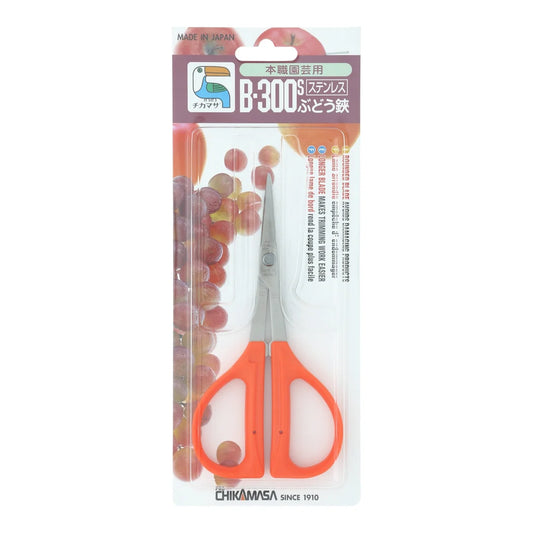
Chikamasa B-300S Scissors | Stainless Steel Straight Blade, ABS Grip
Vendor:ChikamasaRegular price $20.39 USDRegular priceUnit price per -
Chikamasa TP-500SR Spring Scissors | Curved Stainless Blade, Uncoated
Vendor:ChikamasaRegular price $24.37 USDRegular priceUnit price per -
Chikamasa B-500SLF Slanted Scissors | Fluorine-Coated Stainless, Orange
Vendor:ChikamasaRegular price $24.00 USDRegular priceUnit price per -
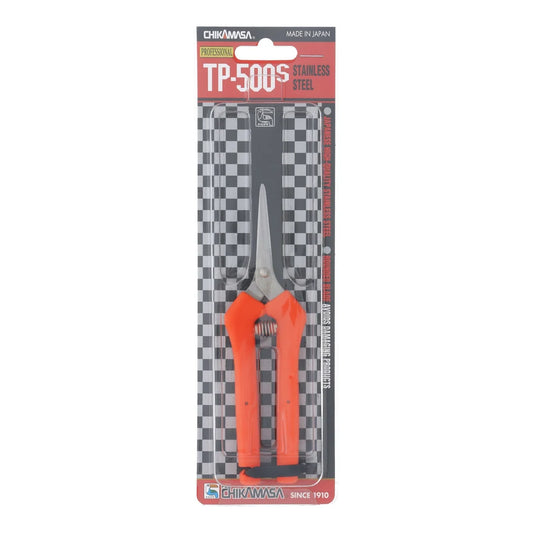
Chikamasa TP-500S Spring Scissors | Straight Stainless Blade, Torsion Spring
Vendor:ChikamasaRegular price $21.81 USDRegular priceUnit price per
















Chikamasa - Brand
Chikamasa Scissors: Japanese Trim Scissors and Pruning Shears
Chikamasa scissors come from a Sakai, Japan maker that has built flower and harvest shears since 1910. This lineup covers straight, curved and slanted trim scissors, spring-loaded models and pruning shears. Most use Japanese stainless steel, and the F models add a sap-resisting fluorine coating....

The model code tells you the blade. S is stainless, F is fluorine coated, R is curved and L is slanted. K is antibacterial, H is carbon steel and P means pink handles. For other brands, see our full Scissors + Pruners range.
Chikamasa Blade Types
B-500 Scissors Without a Spring
The B-500 line runs from the straight B-500S and B-500SF to the curved B-500SR and B-500SRF and the slanted B-500SL. Chikamasa grinds the outside of these blades round so they don't bruise the flower or fruit. The B-500SKF adds an antibacterial coating.
TP-500 and T-500 Spring Scissors
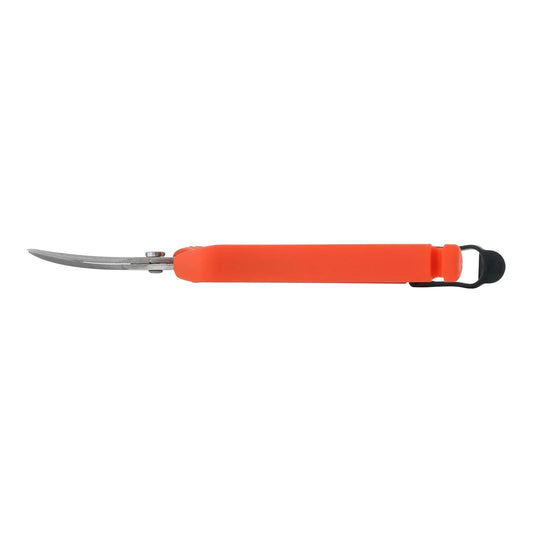
TP-500 models pair stainless blades with a torsion spring and ergonomic handles, which eases hand strain on long trim days. The TP-500SF and TP-500SRF add the fluorine coating. The T-500S uses a shorter blade for precise trimming.
B-300, Floral and Pruning Shears
The spring-free B-300 and B-300S suit detail work. The CRI-360SFV is a fluorine-coated floral snip. For stems, the PS-8PLUS-R is a 52 mm bypass pruner with a fluorine-coated carbon blade. The T-55C uses a coil spring with a non-slip grip.
How Growers Use Chikamasa Shears
Hand trimmers reach for curved or slanted tips around dense flowers and straight blades for fast open cuts. Slanted L blades make overhead work easier. Keep a trimming tray under the work to catch trim and resin.
Frequently Asked Questions
Curved vs straight scissors?
Straight blades cut faster on open work, while curved blades follow the shape of a flower and reach into tight spots. Chikamasa makes both in the B-500 and TP-500 lines. The slanted B-500SL is a third option, angled for working at height.
What does fluorine coating mean?
On Chikamasa blades, the F in the model code means a fluorine coating over the blade. Chikamasa lists these as sap-resisting blades, so resin builds up more slowly and wipes off with less effort. It suits sticky harvests where uncoated blades gum up fast.
How to clean trimming scissors?
Wipe resin off during the session and clean fully at the end of the day. Isopropyl alcohol loosens sticky resin, and a cleaning eraser lifts sap and surface rust. Finish with a thin coat of blade oil before storing the scissors.
How to sharpen Chikamasa scissors?
Sharpen only the outer bevel on a fine whetstone, following the factory angle, and leave the flat inner face alone. A few light strokes are usually enough to bring the edge back. Clean off sap first, then oil the blade when you finish.
Are Chikamasa scissors made in Japan?
Yes. Chikamasa has made flower and garden shears in Sakai, Osaka since Shojiro Wada started the business in 1910. The company says it produces about 90 percent of its products in-house, with robots on general work and people on quality control.